Middle East Conflict Disrupts Portuguese Exports as Shipping Routes Falter
The widening conflict in the Middle East is no longer an abstract geopolitical concern for Portuguese businesses. It is showing up on their balance sheets. According to Jornal de Negocios, Portuguese companies are now facing direct disruption to...
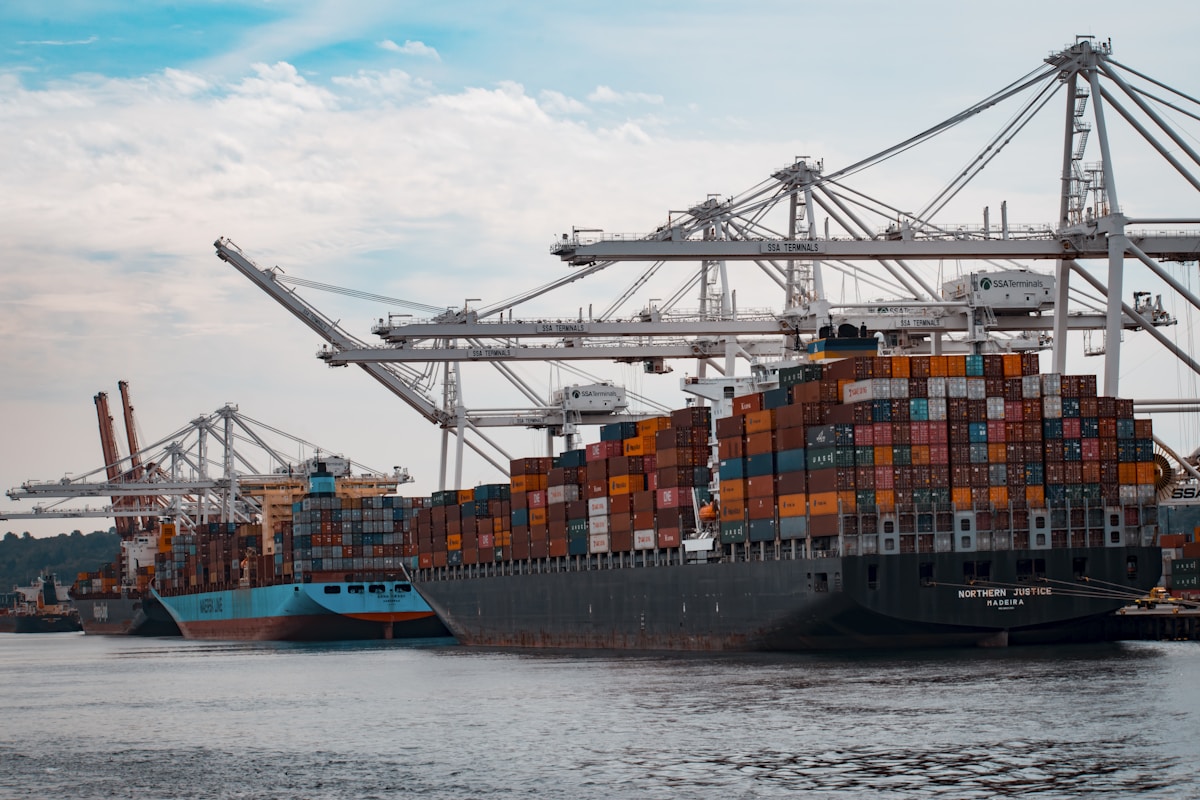
The widening conflict in the Middle East is no longer an abstract geopolitical concern for Portuguese businesses. It is showing up on their balance sheets.
According to Jornal de Negocios, Portuguese companies are now facing direct disruption to their export operations, with goods worth hundreds of thousands of euros stuck in warehouses. Silampos, the well-known Portuguese cookware manufacturer, has approximately 500,000 euros worth of orders suspended — not cancelled, but frozen — due to logistical breakdowns at destination ports in Dubai, Saudi Arabia, Oman, Iraq, and Qatar.
The Middle East accounts for roughly 10% of Silampos's export revenue. The company's CEO confirmed that while clients have not withdrawn orders, the physical movement of goods has become impossible. Port congestion, rerouted shipping lanes, and insurance complications have created a bottleneck that no amount of commercial goodwill can resolve.
Wider Impact on Trade
Silampos is far from alone. The disruption to Red Sea shipping routes — driven by attacks on commercial vessels that have forced container carriers to reroute around the Cape of Good Hope — has added weeks to transit times and driven up freight costs and insurance premiums. For Portuguese exporters, many of whom operate on thin margins, these added costs threaten to erode competitiveness in markets they have spent years developing.
The CIP/ISEG economic barometer, released last week, flagged energy security and regional instability as material drags on Portugal's economic outlook. The barometer now projects GDP growth of 1.8% to 2.2% for 2026 — below the government's 2.3% target in the State Budget. Rising oil prices, driven partly by the conflict, are feeding through to fuel, electricity, and transport costs across the economy.
The Human Cost of Supply Chain Disruption
For businesses employing workers in Portugal's industrial heartland — the ceramics factories of Aveiro, the textile mills of the North, the metalwork shops of the Minho — suspended exports mean idle production lines and uncertain futures. Small and medium enterprises, which form the backbone of Portugal's export economy, lack the financial buffers to absorb prolonged disruption.
The ripple effects extend to anyone whose livelihood depends on trade: freight workers, customs agents, port operators. And for Portugal's growing community of entrepreneurs with roots in Middle Eastern and North African countries, the conflict carries a personal dimension that statistics cannot capture.
What Comes Next
Portugal's trade diplomacy faces a delicate moment. The country has been working to deepen commercial ties with Gulf states and is adapting to the opportunities presented by the Mercosur agreement. But the current crisis underscores a vulnerability: Portugal's export diversification strategy, while sound in principle, remains exposed to the kind of regional instability that can shut down entire corridors overnight.
For now, companies like Silampos wait — their goods packed, their orders confirmed, their shipping lanes closed.