Mercadona Commits €150 Million and Twelve New Portuguese Stores for 2026 — Algarve and Beja Districts Debut at Portimão, Faro and the Beja Retail Park as the Spanish Chain Targets 81 Outlets by Year-End
Mercadona has detailed a €150 million Portuguese investment that opens twelve new stores in 2026, drops the brand into the Algarve and Beja districts for the first time and takes the chain's national footprint to 81 outlets covering 16 of 18 mainland districts.
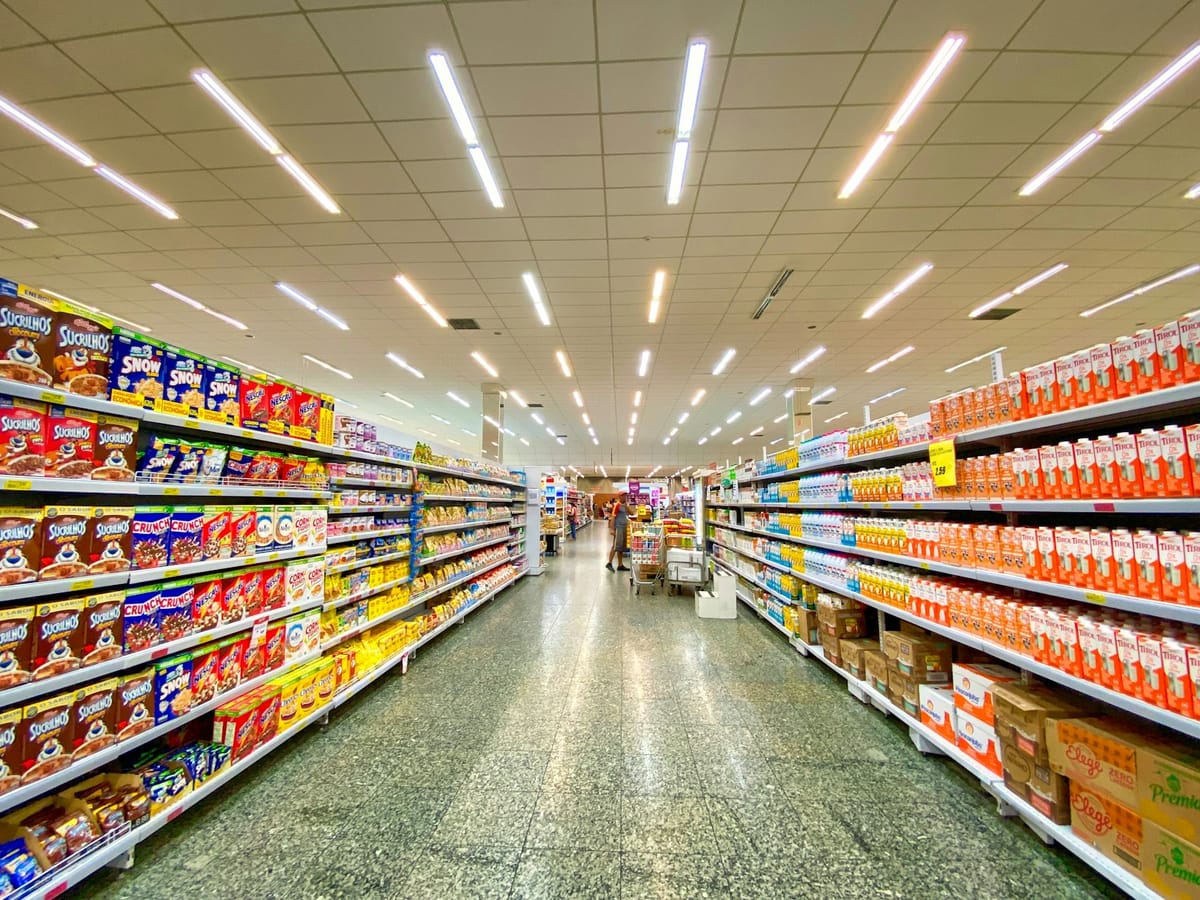
Spanish supermarket group Mercadona has detailed a €150 million Portuguese investment programme for 2026 that lands twelve new stores across the country, takes the chain's national footprint to 81 outlets by year-end and — for the first time since Mercadona crossed the border in 2019 — drops the brand into the Algarve and Beja districts. The expansion brings the retailer into 16 of Portugal's 18 mainland districts, leaving only Bragança and Portalegre off the map at the close of the year.
The Algarve and Alentejo Drop
The three southern openings are the headline. Mercadona will open at Beja Retail Park, at Nova Vila Retail Park in Portimão and at Vale da Amoreira in Faro, all in the second half of 2026. The trio breaks one of the last regional gaps in Iberian discount-grocery coverage — the Algarve had until now been a market shared between Continente, Pingo Doce, Lidl, Aldi and Auchan, with no Mercadona price-point reference. Beja gets its first Mercadona alongside the first new full-size hypermarket footprint to land in the Baixo Alentejo since the Continente Modelo opened in the early 2010s.
The southern trio creates an estimated 300+ permanent jobs — Mercadona's standard staffing model uses indefinite contracts (contrato sem termo) for new openings, a labour-market posture that has been one of the chain's recurring talking points since arrival. Average opening-day staffing at a Mercadona supermarket runs around 65 to 75 employees, mixed across in-store, cold-chain and bakery functions.
The Wider 2026 Rollout
The remaining nine openings spread across the mainland's existing Mercadona perimeter. Confirmed locations include Amarante, Esposende, Sintra, Maia, Moita and a second store in Vila Real — the latter Mercadona's only outlet north of the Mondego where it currently runs a single branch. The chain has also begun to densify around the Lisbon and Porto metropolitan corridors after the first wave of openings concentrated on mid-size interior cities through 2022 and 2023.
The €150 million capex envelope sits roughly in line with the chain's 2024 and 2025 Portuguese investment runs, both of which landed inside the €130-€160 million range. Mercadona has invested more than €800 million in Portugal since its 2019 entry through Vila Nova de Famalicão, and the chain crossed the €2 billion turnover threshold on its Portuguese subsidiary for the first time in 2024.
Why This Matters for the Competitive Set
Sonae's Continente and Jerónimo Martins's Pingo Doce have so far absorbed the Mercadona arrival without major share losses — the parallel growth of overall grocery basket spending and the basket-inflation cycle through 2022-2024 lifted all three. But the Algarve drop changes that equation: it forces both incumbents to defend a previously uncontested regional perimeter and to extend their basket-pricing discipline into the southern peninsula. Sonae's recently-published Q1 2026 results — net income up 11% on Continente turnover past €1.7 billion — set the reference against which the basket-pressure trade will be measured into H2 2026.
The DECO Proteste cabaz alimentar weekly index — which tracks 63 grocery items across the five main banners — has eased two consecutive weeks from the May 6 record of €261.89, with the 13-May print at €260.41. That descent gives the incumbents some cushion ahead of the Mercadona Algarve opening, but the structural pressure on the basket comes from the supplier-pricing direction inside Mercadona's core marca branca portfolio (Hacendado, Bosque Verde, Deliplus).
What This Means for Expats
- Algarve grocery options widen from H2 2026: Portimão and Faro residents and second-home owners get a Mercadona reference price within walking or short-drive distance of the coast for the first time. Expect a 5-10% downward pull on private-label basket pricing across the Sotavento and Barlavento stretches by the end of the year.
- Beja first-time market entry: the Baixo Alentejo grocery offer steps up. Foreign residents in the Beja-Mértola axis will see the first national-brand price reference into a market that has long carried a structural inland premium.
- Job market signal: 300+ contrato sem termo openings in the southern districts. Mercadona pays above sector minimum on the entry tier and runs a consistent training-and-promotion ladder — a useful reference for resident jobseekers in retail.
- What does not change: the Pingo Doce and Continente convenience perimeter remains denser than Mercadona's footprint everywhere outside the new Algarve openings. The Spanish chain's model leans on larger-format stores with deeper basket volumes rather than the proximity-store density that has shaped Portuguese urban grocery for two decades.