Markets, Business & Tech Briefing -- Saturday, 21 March 2026
Energy Markets Roil on Middle East Escalation European natural gas prices have climbed above 50 euros per megawatt-hour as attacks on oil and gas infrastructure in the Middle East continue. The IEA has warned of the "greatest energy threat" the...

Energy Markets Roil on Middle East Escalation
European natural gas prices have climbed above 50 euros per megawatt-hour as attacks on oil and gas infrastructure in the Middle East continue. The IEA has warned of the "greatest energy threat" the world has faced, and Portugal's Environment Minister said the country is nearing the legal threshold to declare a formal energy crisis. Brent crude remains elevated amid supply disruption fears.
Euribor Rises, Mortgage Costs to Follow in April
The 12-month Euribor reached 2.540 percent this week, approaching a January 2025 high of 2.552 percent. DECO Proteste estimates monthly mortgage payments will rise by 13 to 23 euros in April. Analysts warn the ECB could raise rates twice in 2026 if Middle East-driven inflation pressures persist, reversing the rate-cutting cycle that had been expected.
Portugal's Budget Under Pressure
Prime Minister Luis Montenegro warned that combined costs from January's severe storms and the indirect economic effects of the Middle East conflict could push Portugal back into deficit this year. The government had been on track for continued fiscal consolidation, but emergency spending and potential energy subsidies threaten that trajectory.
Young Adults Account for 58% of New Mortgages
Bank of Portugal data reveals that borrowers under 35 took out 58 percent of all new housing loans in 2025, up 11 points from 2024. Of foreign mortgage holders, 44 percent were Brazilian, 6 percent Angolan, and 4 percent each Ukrainian and Italian. The surge coincides with government mortgage incentive programmes targeting first-time young buyers.
Rents Fall 1.4% Year-on-Year
National rents dropped 1.4 percent in February versus the previous year, with asking rents down 2 percent. The government credits increased housing supply and an upcoming reduction in income tax on rental earnings from 25 to 10 percent. Construction investment has risen 5.5 percent to 28 billion euros.
Foreign Wealth Reshaping Luxury Property Market
Foreigners account for 10 percent of all property transactions in Portugal, with high-end purchases concentrated among Brazilians, Americans, and British buyers. In Cascais, the price per square metre rose from 6,570 euros to 7,309 euros between March 2025 and January 2026. Second-home purchases by foreigners now represent 45 percent of foreign property transactions, according to Bank of Portugal data.
Housing Rights Protests in Porto
Demonstrators in Porto marched on Thursday demanding rent regulation, a cap on mortgage payments at 35 percent of income, an end to evictions without housing alternatives, and the conversion of empty public buildings into affordable housing. The government recently proposed faster eviction procedures for non-payment, which housing groups say will worsen the crisis.
Energy Contingency Legislation Approved
The Council of Ministers approved a legislative framework on Thursday allowing the government to cap energy prices for consumers and businesses "below cost price" in the event of a formally declared energy crisis. The Presidency Minister stressed the measure is precautionary, but preparations are accelerating.
Over Half of Pre-1960 Housing Lacks Energy Upgrades
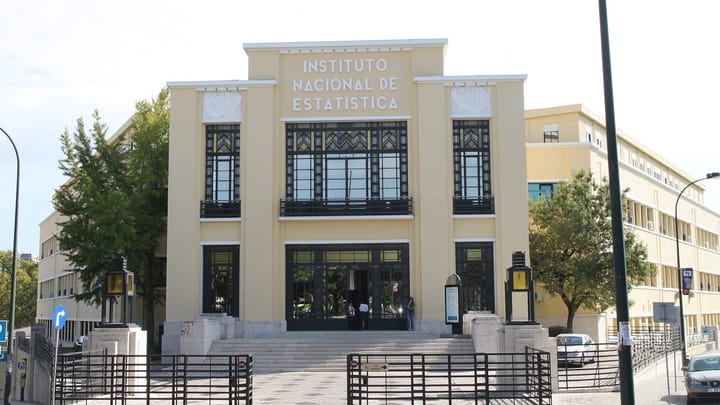
Data published by INE shows that more than half of Portuguese homes built before 1960 have never undergone energy efficiency renovations. Households at risk of poverty were disproportionately affected by weather-related housing damage, with 7.5 percent reporting problems, compared to 6.9 percent for those above the poverty line.
Labour Law Reform Coming to Parliament
Prime Minister Montenegro confirmed that the government's labour law revision will be sent to parliament "shortly," following ongoing consultation with social partners. The reform is one of four pillars in the government's self-described "transformative agenda," alongside immigration, housing, and public accountability reforms.