Jerónimo Martins Q1 2026 Net Profit Falls 6.8% to €119 Million as Pingo Doce Outpaces Biedronka in a Cautious-Consumer Quarter
Jerónimo Martins reported on 6 May that Q1 2026 net profit fell 6.8% to €119 million from €127 million a year earlier, even as group sales lifted 6.3% to €8.9 billion and total EBITDA rose 8.4% to €572 million. The headline contradiction — slower...
Jerónimo Martins reported on 6 May that Q1 2026 net profit fell 6.8% to €119 million from €127 million a year earlier, even as group sales lifted 6.3% to €8.9 billion and total EBITDA rose 8.4% to €572 million. The headline contradiction — slower bottom line on a faster top line — is the single cleanest readout this quarter on how Iberian and Polish food consumers are behaving in 2026: still buying, but trading down on volume, frequency and basket mix.
Pingo Doce out-grows the polish anchor
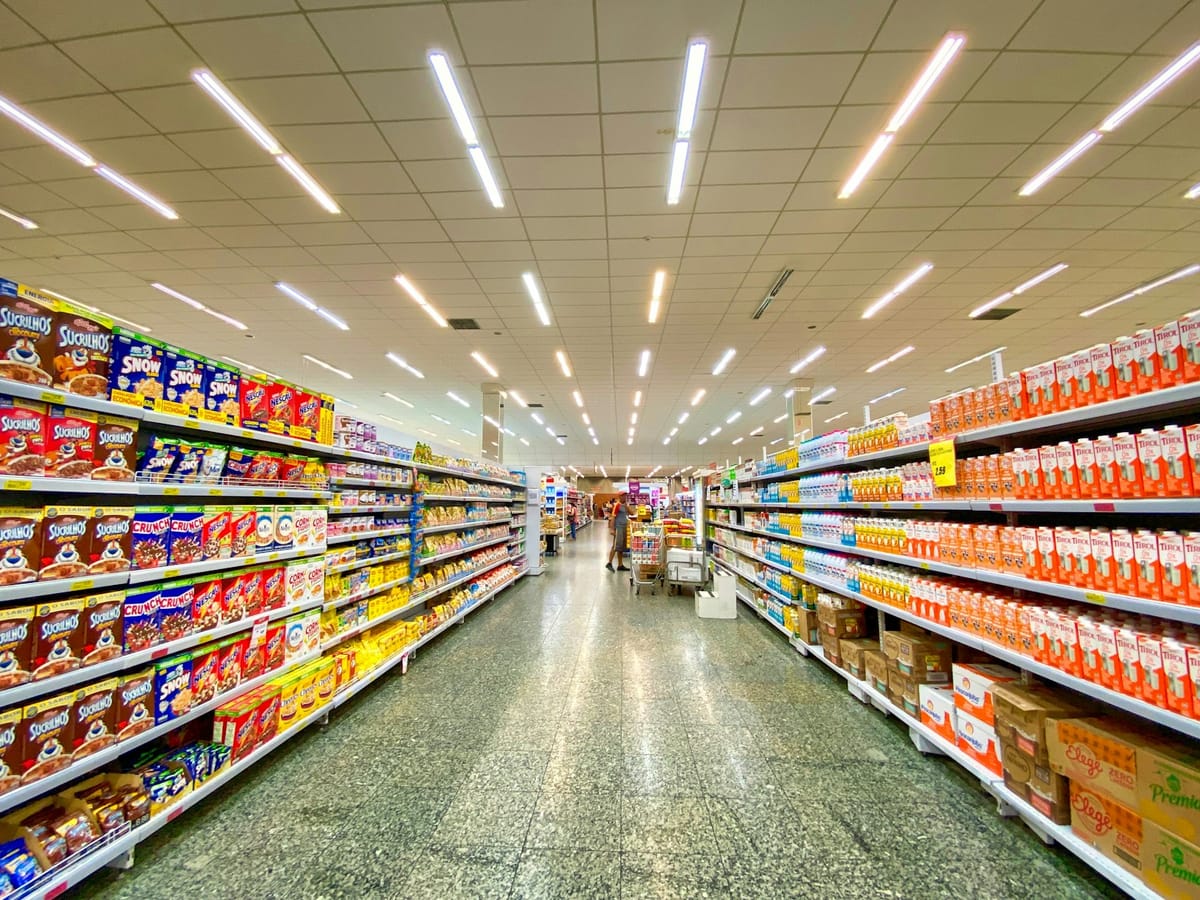
Pingo Doce posted €1.3 billion in Portugal sales, up 7.5% reported and a strong +5.7% on a like-for-like ex-fuel basis. That LFL print is the chain's best in three quarters and reverses the volume-weakness story Pedro Soares dos Santos flagged in November. Recheio (cash-and-carry) added €312 million (+3.3%, +2.7% LFL), with HoReCa demand holding up despite the Iran-Hormuz oil shock that lifted Portuguese diesel prices 10 cêntimos this week.
Biedronka — the group's Polish discount anchor and roughly 70% of revenue — booked €6.2 billion in sales (+3.6% reported, +2.3% LFL). The chain opened 12 new stores and remodelled 36 in the quarter, but Biedronka's EBITDA lifted only 4.6% to €482 million, well below group EBITDA growth. Polish disinflation, intensified discount competition and a weaker zloty are squeezing the chain's contribution.
Hebe and ara carry the colombian and beauty story
The two non-grocery formats are pulling meaningful weight. Ara — the Colombian discount chain — grew sales 23.6% to €959 million in local currency, the group's fastest-growing format. Hebe (CEE drugstore) added €148 million (+1.6%, +2.5% LFL) and added 14 new stores, taking the network to 408 locations. Distribuição Portugal EBITDA rose 7.2% to €83 million.
What it means for portuguese shoppers
Group EBITDA margin lifted 13 basis points year-on-year to 6.4% — the highest opening-quarter margin since 2024 — confirming that price-promotion intensity is easing in Portugal even as Pingo Doce holds inflationary headline-price restraint. Shelf-price inflation in Portuguese groceries was running below 2% in March INE prints, the lowest in the eurozone.
For Pingo Doce shoppers in Lisbon, Porto and the regions, the practical takeaway is that the chain is sustaining volume — roughly 5.7% LFL ex-fuel implies real basket growth even after stripping inflation — by absorbing margin in private-label rather than passing through wholesale cost increases. Pedro Soares dos Santos, in the management commentary, attributed the cautious-consumer dynamic to "rising costs, particularly fuel."
What's next for the psi anchor
The PSI's largest food retailer enters Q2 2026 with no formal guidance update, no change to capex plans and no new store-opening cadence beyond the 12-12 Biedronka pace. The market reaction on 6 May was muted — investors had already priced a soft Polish quarter — but the 8.4% EBITDA growth on a 6.3% sales line confirms the operational discipline thesis that has kept JM the largest weighting in the Portuguese index. Q2 prints land in late July and will carry the first full read-through from the new Iran-Hormuz fuel-price baseline.
Sources: Jerónimo Martins Q1 2026 results presentation (6 May 2026); ECO; INE.