IP Locks the IC2 Down Through 12 May Across Aveiro, Coimbra and Leiria — Reflective Vests, Single-File Berms and Reinforced Signage as 450,000 Pilgrims Walk to Fátima
Infraestruturas de Portugal has imposed traffic restrictions on the IC2 across Aveiro, Coimbra and Leiria through 12 May 2026 to protect the foot-pilgrim flow to Fátima for the 12-13 May International Anniversary Pilgrimage. Patriarch Rui Valério presides.
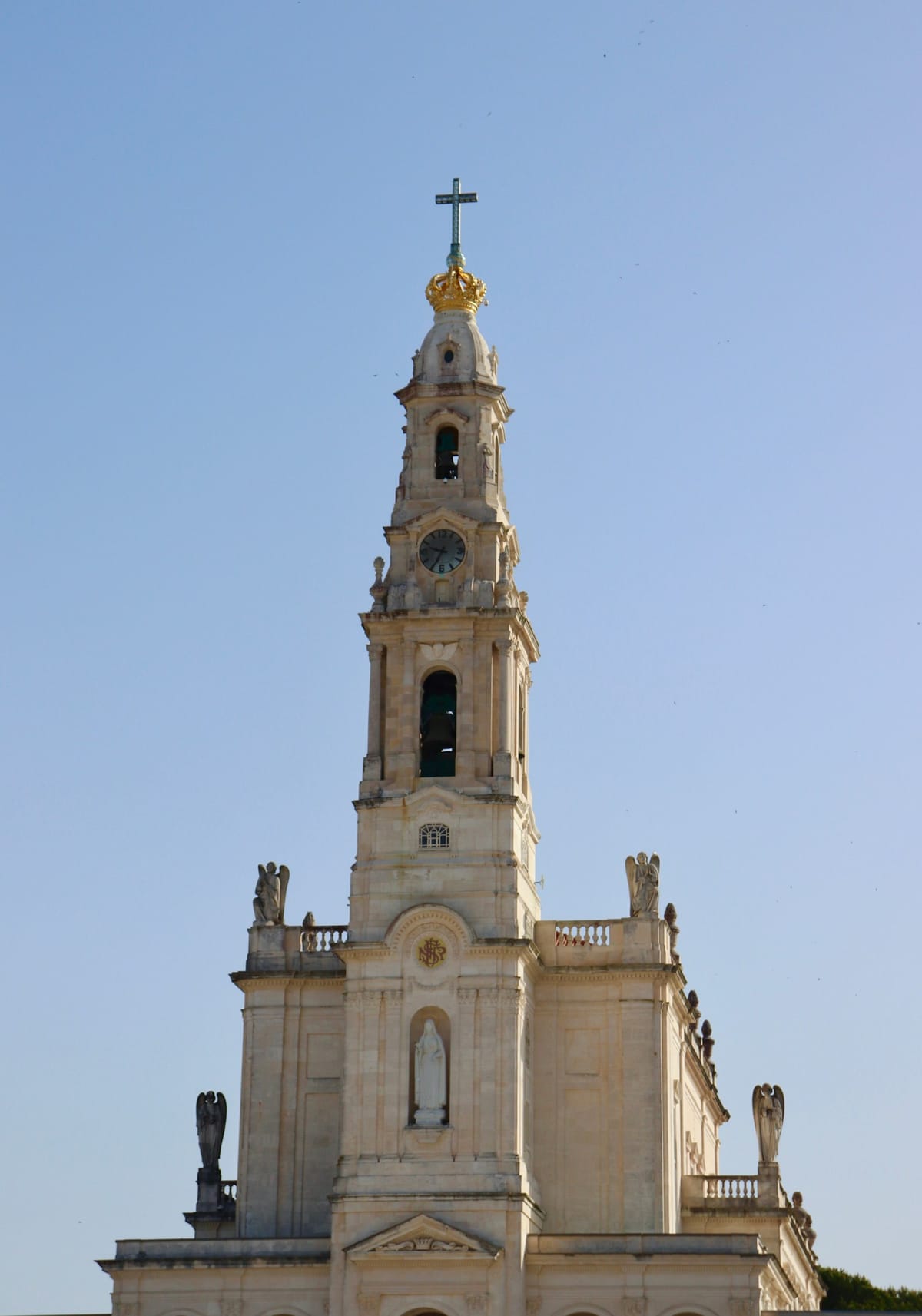
Infraestruturas de Portugal (IP) confirmed on Wednesday, 30 April that the IC2 is operating under traffic restrictions across the districts of Aveiro, Coimbra and Leiria through Tuesday, 12 May 2026 — the entire run-up to the May International Anniversary Pilgrimage at the Sanctuary of Fátima. The measures, announced jointly with the Coimbra municipality and the GNR-PT-led Operação Peregrinação Segura coordination, target the spike in foot-pilgrim flow that converges on Cova da Iria from across central and northern Portugal during the first two weeks of May.
The IC2 — the old N1 corridor renumbered as a complementary itinerary in the 1980s — runs the length of the western interior between Lisboa and Porto, threading directly through Pombal, Leiria, Coimbra, Mealhada, Águeda and Aveiro before climbing into the Porto metropolitan grid. It is, by some distance, the most heavily walked road in Portugal during pilgrimage windows. The Way of Fátima follows the road's shoulders for tens of kilometres in the Coimbra and Leiria sections, and the four pilgrimage windows in the IP–Coimbra–GNR coordination calendar (May, June, August, October) collectively account for the majority of pedestrian-strike accidents on the corridor every year.
What IP Has Actually Imposed
The Wednesday announcement breaks the measures into three operational layers, each implemented progressively along the corridor:
- Reinforced signage — temporary advance-warning boards installed at every junction with a known walking route, plus speed-reduction VMS gantries along stretches with the densest pilgrim flow. The signage uses the standard pictogram for pedestrian crossing combined with a yellow flashing-light supplement for night-time visibility.
- Support-team presence on foot — IP, GNR-PT, Polícia Municipal and Bombeiros volunteers staffing rest points and crossings along the principal pilgrim routes. The Coimbra municipality has published a map identifying parallel safer trails, including the Caminho Nascente through Mealhada, Anadia and Oliveira do Bairro, and the inland Coimbra-Soure-Pombal alternative.
- Traffic-deviation management — partial lane closures and diversion to municipal alternatives during the heaviest pilgrim windows, with the formal restriction calendar running through 12 May. The IP communiqué stresses that no full closure is contemplated; the corridor remains open to motorised traffic but at reduced speed and with on-the-ground intervention where pilgrim density requires it.
Coimbra mayor José Manuel Silva, in a statement issued through the municipal portal on 30 April, asked pilgrims to "prioritise the use of alternative and safe routes" rather than the IC2 itself, and reminded motorists that the corridor's geometry — narrow shoulders, tight curves through Mealhada and the climb out of Coimbra — leaves little tolerance for inattentive driving in the days around the pilgrimage.
Pilgrim Behaviour Code — What IP Tells Walkers
The IP communiqué pairs the traffic-management measures with a behaviour code aimed at the pilgrims themselves. Walking pilgrims are asked to:
- Wear reflective high-visibility clothing — vests, sashes or armbands, particularly in the predawn and post-dusk windows that are most concentrated on the days approaching 12-13 May.
- Walk single-file on the road shoulder — fila indiana, in IP's phrasing — and against the direction of traffic, so oncoming vehicles are visible and walkers are visible to drivers.
- Step well away from the carriageway when stopping — particularly when joining a praying group at a wayside cross or chapel, or when the lead walker is studying a map.
Drivers, in turn, are asked to drop speed in marked pilgrim zones, give wide berth at curves, and follow on-the-ground GNR or Polícia Municipal instructions on lane use. The IP-IS division has published a smartphone-friendly route map at infraestruturasdeportugal.pt with the principal walking corridors flagged.
The 12-13 May Anniversary Pilgrimage — Patriarch Rui Valério Presides
The IC2 measures wind down on the same date the international pilgrimage opens. The 12-13 May 2026 Peregrinação Internacional Aniversária is the May edition of the six monthly pilgrimages that mark the 1917 apparitions reported by the three pastorinhos — Lúcia, Francisco and Jacinta — to which the Sanctuary of Fátima owes its existence. May is the largest of the six; the May 2025 edition drew 141 pilgrim groups officially registered for 12 May and 150 for 13 May, with delegations from all five continents and a total visitor count above 450,000 across the 48 hours.
This year's pilgrimage will be presided over by D. Rui Valério, 61, the Patriarch of Lisbon. Born in Urqueira in the Ourém municipality — the same municipality that contains Fátima itself — D. Rui Valério takes a particular geographic resonance into the Cova da Iria celebration, which opens on the evening of Monday 12 May with the Rosary at the Capelinha das Aparições and the Procissão das Velas through the Recinto. The 13 May programme runs from the morning Rosary at the Apparition Chapel through the International Anniversary Mass with the blessing of the sick and the closing Procissão de Adeus — the farewell handkerchief procession that sends pilgrims off as the white mantle of the Virgem Peregrina is lifted from the statue.
What This Means for Expats
- If you are driving the IC2 north-south for any reason between now and 12 May: add 30 to 45 minutes to a Lisboa-Porto traverse that uses the IC2 segments, and consider switching to the A1 toll motorway for the worst pilgrimage days (10-13 May). The A1's Carregado-Aveiras-Pombal-Leiria-Coimbra-Aveiro spine is parallel and uncongested; it costs more in tolls but eliminates the pedestrian risk and the speed-reduction zones.
- If you live in central Portugal — Aveiro, Coimbra, Leiria, Pombal, Mealhada: expect heavy walking traffic on local streets, particularly on Caminho dos Pequeninos pilgrim routes that branch off the IC2. Local police will be enforcing reduced speeds in residential corridors used as alternatives.
- If you plan to attend the 12-13 May pilgrimage: the Cova da Iria recinto opens at dawn each day. Sanctuary parking fills early; CP rail Linha do Norte (Fátima station) and the Rede Expressos coach network add capacity for the dates. Reception at the Apparitions Chapel runs through the night of 12 May ahead of the morning ceremonies on 13 May.
- If you walk the Caminho de Fátima yourself: the IP-published behaviour code is mandatory in spirit — reflective gear, single-file, against traffic, well clear of the carriageway. Foreign residents new to Portugal frequently underestimate how narrow IC2 shoulders are around Mealhada and the Coimbra climb; wear the vest even in daylight.
- If you have travel plans hitting Fátima during summer: the same restriction protocol returns for the June 12-13, August 12-13 and October 12-13 pilgrimages. The October edition closes the apparition season and is, after May, the most heavily attended.
IP will publish a daily situational update on its operational portal through the 12 May closing date; the GNR's Operação Peregrinação Segura coordination centre in Leiria handles real-time route adjustments. The next major IC2 pressure window arrives on Friday, 12 June, when the June Anniversary Pilgrimage and the long Corpo de Deus weekend overlap to repeat the May pattern. For now, the message from IP, Coimbra and the Sanctuary is uniform: until 12 May, the IC2 is shared infrastructure between traffic and pilgrim flow, and the priority is to get every pilgrim to Cova da Iria on foot and home in one piece. On the road-safety side, our 29 May read on ANSR's preliminary Q1 2026 sinistralidade tape — 102 road fatalities on continental Portugal, a 6.4% YoY step down on 7,742 acidentes com vítimas and 738 feridos graves, with the IC2, EN125 and IC8 corridors carrying the severity tail and excesso de velocidade holding the cause ranking at 31% of casos sets the latest reference.