Informa D&B Reads Portugal's First-Quarter Insolvency Curve Up 7.8% Through April — 701 Companies Filed, Construction Leads at +28% and Textile-and-Apparel +21%, Reversing the 2025 Downtrend Even as Closures Drop 24%
Portuguese business insolvencies turned higher in the first four months of 2026, with 701 companies entering insolvency proceedings between January and April — up 7.8% on the same period in 2025 , according to data released today by the...
Portuguese business insolvencies turned higher in the first four months of 2026, with 701 companies entering insolvency proceedings between January and April — up 7.8% on the same period in 2025, according to data released today by the credit-information consultancy Informa D&B. The print reverses the downward trajectory that defined 2025 and reintroduces a divergence between insolvencies and ordinary closures that the consultancy says is now visible across more than half of Portugal's sectors of activity.
Construction is the single biggest contributor
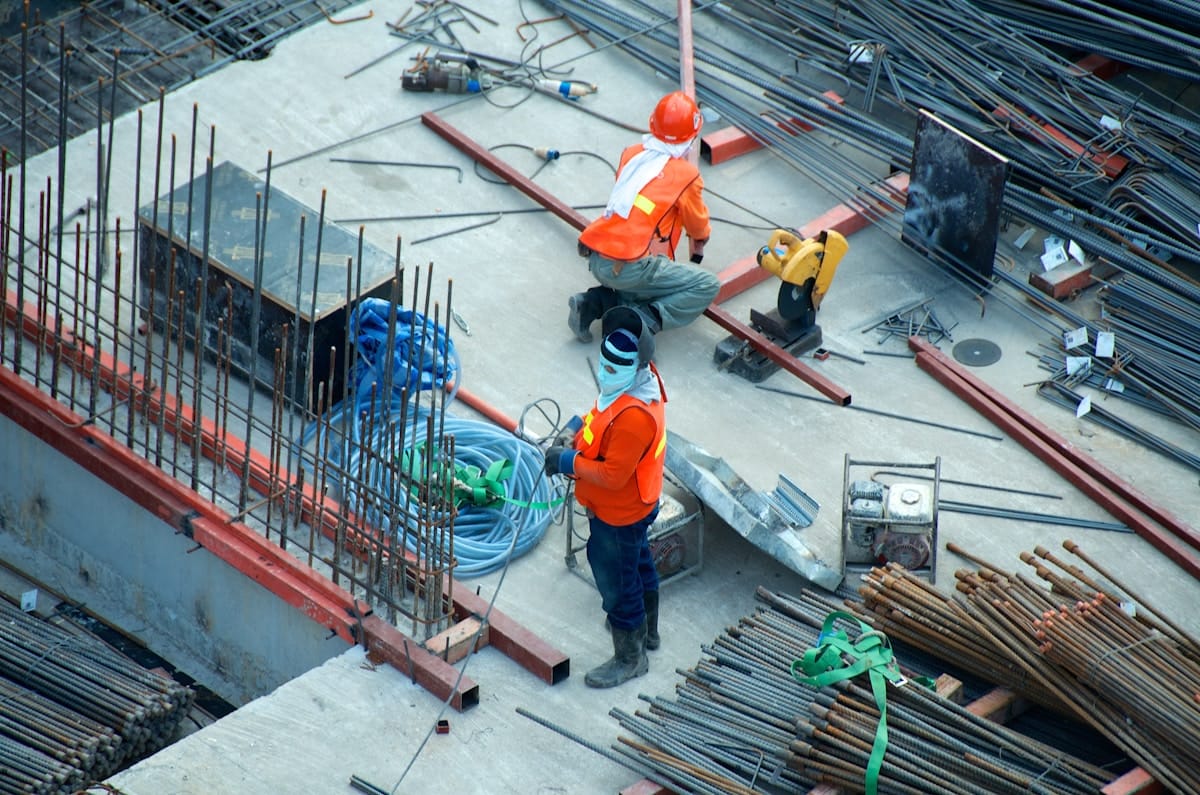
The sector breakdown is led, by some distance, by construction. Building firms accounted for an extra 20 insolvency filings in the four-month window — a 28% increase on the year-earlier base, the largest absolute and relative contribution to the headline. Industry was the second-biggest driver, also adding 20 cases for a 14% jump, with the textile-and-apparel branch standing out at +21% and 14 additional filings.
The construction read is the more notable signal. Informa D&B's data show the same sector that has produced the strongest pipeline of new company creation since 2020 — supported by housing demand and urban rehabilitation — is also now producing the largest contribution to insolvency growth. Builders are entering and exiting the market in greater numbers at the same time, a pattern consistent with thinner margins on existing projects, tighter credit conditions for SME-scale developers and the kind of cash-flow stress that classic recessions and severe weather both produce.
Closures down 24% — but online retail and footwear in retreat
Outside the insolvency channel, ordinary company closures fell sharply. Between January and April, 3,736 firms closed in Portugal, down 24% — or 1,165 fewer closures — on the year-earlier window. On the rolling twelve-month read (May 2025 to April 2026), the consultancy counts 14,298 closures, an 8.7% drop and a moderation across every sector and every continental region.
Two activities buck the trend. Non-specialised retail by mail or internet — i.e. online-only retail — saw closures more than triple, up 228% with 114 additional shutdowns over the twelve-month window. Footwear manufacturing closures rose 37% (33 additional cases). The first signal points to a shake-out in the post-pandemic e-commerce cohort; the second tracks the broader pressure on the Portuguese footwear industry against Chinese competition and a softer European order book.
New-company creation has now contracted three months running
The third strand of today's barometer is on the entry side. Portugal registered 19,503 new company constitutions between January and April 2026, down 4.6% on the same window in 2025. Informa D&B notes that after a positive January, each of the three subsequent months printed below the year-earlier comparable, putting the start-up curve on a three-month consecutive contraction.
The breakdown is uneven. Construction continued its multi-year expansion with 203 additional registrations (+7.7%), and information-and-communication technologies added 112 (+8.4%) — the only two sectors growing in the four-month window. Agriculture and natural resources registered the steepest fall at -37%, with the agriculture-and-livestock branch alone losing 285 registrations on a -42% reading, concentrated in Beja, Braga and Viseu and in combined crop-and-livestock and olive-grove activities. Retail was down 13% (-226) and transport down 15% (-217).
Read together, the three series — insolvencies up 7.8%, closures down 24% and new constitutions down 4.6% — sketch a Portuguese corporate landscape that is shedding stress at the bottom-end exit door more slowly than it is generating it inside operating businesses, and is not replacing it with new entries fast enough to keep the net firm count flat. The construction signal in particular will deserve a fresh look when Informa D&B publishes the May print. On the industry, jobs and insolvency side of the file, the Pontual footwear factory's collapse into insolvency is the latest case.