How the SNS Works: A Foreign Resident's Complete Guide to Public Healthcare in Portugal
How does Portugal's National Health Service work? Who can access it? What does it cost? This guide covers registration, family doctors, emergency rooms, prescriptions, private insurance, and the system's current challenges — everything a foreign resident needs to know in 2026.
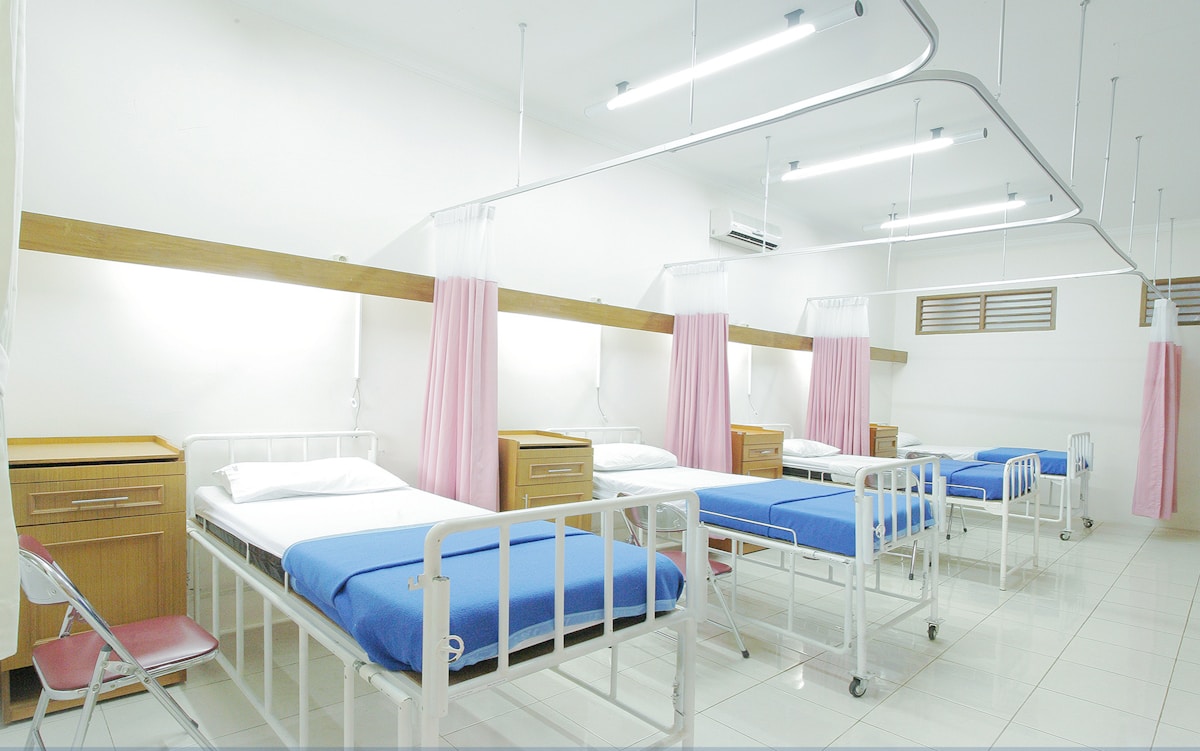
Portugal's Serviço Nacional de Saúde — the SNS — is a universal, tax-funded public healthcare system that has been in operation since 1979. For the country's growing population of foreign residents, understanding how the SNS works, how to register, and what to realistically expect is essential. This guide covers everything you need to know in 2026.
Who Can Access the SNS?
The SNS is available to all legal residents of Portugal, regardless of nationality. This includes:
- Portuguese citizens
- EU/EEA citizens registered as residents in Portugal
- Non-EU citizens with a valid residence permit (autorização de residência)
- Holders of temporary stay visas, D-type visas, and digital nomad visas during their validity period
- Asylum seekers and refugees
In practice, if you have a legal right to reside in Portugal, you have a right to use the public healthcare system. Short-term tourists and visitors are not covered by the SNS but may access emergency care under the European Health Insurance Card (EHIC) if they are EU citizens, or through travel insurance.
How to Register: Getting Your Número de Utente
To use the SNS, you need a Número de Utente — your unique national health user number. Here is how to get one:
Step 1: Gather Your Documents
- Valid passport or identity card
- Proof of legal residence (residence permit, EU registration certificate, or valid visa)
- NIF (tax identification number)
- NISS (social security number) — helpful but not always strictly required
- Proof of address (utility bill, rental contract, or atestado de morada from your local junta de freguesia)
Step 2: Visit Your Local Centro de Saúde
Go to the centro de saúde (primary healthcare centre) closest to your registered address. Bring all documents listed above. Staff will register you in the Registo Nacional de Utentes (RNU) and assign you a número de utente on the spot.
Tip for 2026: As of March 2025, foreigners with regular residency status can request their NIF, NISS, and número de utente in a single appointment at designated Espaço Cidadão locations in ten cities: Braga, Porto, Loures, Cascais, Oeiras, Lisbon, Setúbal, Olhão, Lagos, and Faro.
Step 3: Request a Médico de Família
Once registered, you should request assignment to a médico de família (family doctor). This is your primary care physician and the gateway to the rest of the system. Be aware that there is a nationwide shortage: approximately 1.5 million people in Portugal do not have an assigned family doctor. You may be placed on a waiting list.
New rules for 2026: The Government has introduced updated registration rules requiring that health centres proactively contact users to update their records. Users who have not visited their family doctor within five years may be reclassified as "inactive," potentially losing their assigned doctor. If you have a family doctor, make sure to attend at least one appointment within each five-year period to keep your registration active.
What Does the SNS Cost?
Portugal's public healthcare is largely free at the point of use. Since June 2022, taxas moderadoras (co-payment fees) have been eliminated for almost all SNS services. Specifically:
- Primary care consultations: Free. No charge for appointments with your family doctor at the centro de saúde.
- Prescribed tests and diagnostics: Free when prescribed by an SNS doctor.
- Hospital appointments and referrals: Free when you are referred through the SNS system.
- Emergency rooms (urgências): A co-payment fee applies only if you go to a hospital emergency room without a referral from the SNS and are not subsequently admitted. The fee is typically between €15 and €20.
Who Is Exempt from All Fees?
Even the emergency room co-payment is waived for:
- Pregnant women and new mothers
- Children under 12
- People with a disability rating of 60 percent or above
- Blood donors
- People classified as economically insufficient (based on household income from the previous tax year)
How the System Works in Practice
Primary Care: The Centro de Saúde
Your first point of contact is always the centro de saúde. Your family doctor handles routine consultations, prescriptions, referrals to specialists, and sick notes. Appointments are typically booked through the SNS 24 telephone line (808 24 24 24), the MySNS app, or directly at the health centre reception.
Specialist and Hospital Care
If your family doctor determines you need specialist care — a cardiologist, dermatologist, orthopaedic surgeon, or any other specialist — they will issue a referral (pedido de consulta). You are then placed on the hospital waiting list for a first specialist consultation. As of late 2025, the average wait for a first specialist consultation varies widely by region and specialty, from a few weeks to several months.
Surgeries
If a specialist determines you need surgery, you are placed on the Lista de Inscritos para Cirurgia (surgical waiting list). Wait times depend on the urgency of the procedure and the hospital's capacity. Portugal uses a priority system: oncological and urgent cases are prioritised, while elective procedures may involve longer waits.
Emergency Care
Hospital emergency rooms (urgências) are open 24/7 for genuine emergencies. For less urgent situations, the SNS operates the SNS 24 telephone line (808 24 24 24), which provides medical triage, advice, and can direct you to the appropriate level of care. Using SNS 24 before going to an emergency room is strongly recommended and can also exempt you from the co-payment fee.
Prescriptions and Pharmacy
Medications prescribed through the SNS are partially subsidised. The subsidy rate depends on the type of medication:
- Category A (essential, life-sustaining): 90 percent subsidised
- Category B (important therapeutic value): 69 percent subsidised
- Category C (proven therapeutic value): 37 percent subsidised
- Category D (lower therapeutic relevance): 15 percent subsidised
Generic medications receive an additional subsidy. Prescriptions are electronic and can be dispensed at any pharmacy in Portugal using your citizen card or número de utente.
The Current Challenges: What to Expect in 2026
Portugal's SNS is under significant pressure. Being informed about the system's current realities will help you manage expectations:
- Waiting lists are at record levels. More than 1.08 million people are waiting for a specialist consultation and over 264,000 are waiting for surgery. These numbers grew by 13.8 percent and 3.4 percent respectively in 2025.
- Hospitals have been told not to increase activity. The SNS Executive Directorate instructed hospitals not to expand consultations or surgeries in 2026 due to budget constraints, meaning the backlog is unlikely to improve this year.
- Family doctor shortage persists. Around 1.5 million residents lack an assigned family doctor, particularly in rural areas and fast-growing urban centres.
- A new digital platform is coming. The SINACC system, replacing the ageing SIGIC, launches on 1 August 2026 with AI-powered monitoring of waiting lists — though the impact will take time to materialise.
Private Healthcare: The Alternative
Many expats in Portugal complement or replace their SNS access with private health insurance. Here is what to know:
Why Consider Private Insurance?
- Shorter waiting times for specialist consultations and surgeries
- Wider choice of doctors and hospitals
- English-speaking medical staff is more common in private settings
- More comfortable facilities
Major Private Providers
Portugal's main private hospital groups include CUF (José de Mello Saúde), Lusíadas Saúde, Hospital da Luz (Luz Saúde), and Trofa Saúde. These operate hospitals and clinics across the country, concentrated in Lisbon, Porto, and the Algarve.
Insurance Options
Health insurance in Portugal is available from local insurers (Médis, Multicare, AdvanceCare, Allianz, Fidelidade) and international providers (Cigna, Allianz Global, BUPA). Premiums vary significantly by age, coverage level, and pre-existing conditions. A basic plan for a healthy adult under 40 typically starts around €30–€50 per month; comprehensive plans with dental and vision can reach €150–€300 per month for older adults.
Using Both Systems
There is no obligation to choose one system over the other. Many residents maintain their SNS registration for primary care and prescriptions — where the system works well and costs are low — while using private insurance for specialist consultations and elective procedures where waiting times matter.
Practical Tips for Expats
- Register early. Do not wait until you are ill to register with the SNS. Get your número de utente and request a family doctor as soon as you have your residency documents.
- Use SNS 24. The telephone line (808 24 24 24) is available in Portuguese and English and is the fastest way to get medical advice, triage, and referrals.
- Carry your número de utente. You will need it for every interaction with the public system — from pharmacy prescriptions to hospital visits.
- Learn basic medical Portuguese. While larger hospitals in Lisbon and Porto often have English-speaking staff, smaller health centres and regional hospitals may not. Key vocabulary can make a significant difference.
- Keep your registration active. Under the 2026 rules, not using the system for five years risks losing your family doctor assignment.
- Consider private insurance as a complement. The SNS is good for primary care and emergencies, but if you anticipate needing specialist care, private insurance will significantly reduce your waiting time.
- Download the MySNS app. The app allows you to book appointments, view prescriptions, access your health records, and check waiting times at nearby emergency rooms.
Key Contacts
- SNS 24 health line: 808 24 24 24 (24/7, Portuguese and English)
- European emergency number: 112
- INEM (emergency medical services): 112
- MySNS app: Available on iOS and Android
- SNS portal: sns.gov.pt