Hospital Beds Without a Medical Reason Hit 2,807 Across the SNS — APAH Barometer Pegs the Yearly Cost at €351 Million, with the Cuidados Continuados Queue Still Lengthening
On 19 March, 2,807 patients were occupying SNS beds without clinical justification — 13.8% of total capacity, a record. APAH puts the cost at €351 million a year, up €63 million in six months, with the cuidados continuados queue still growing.
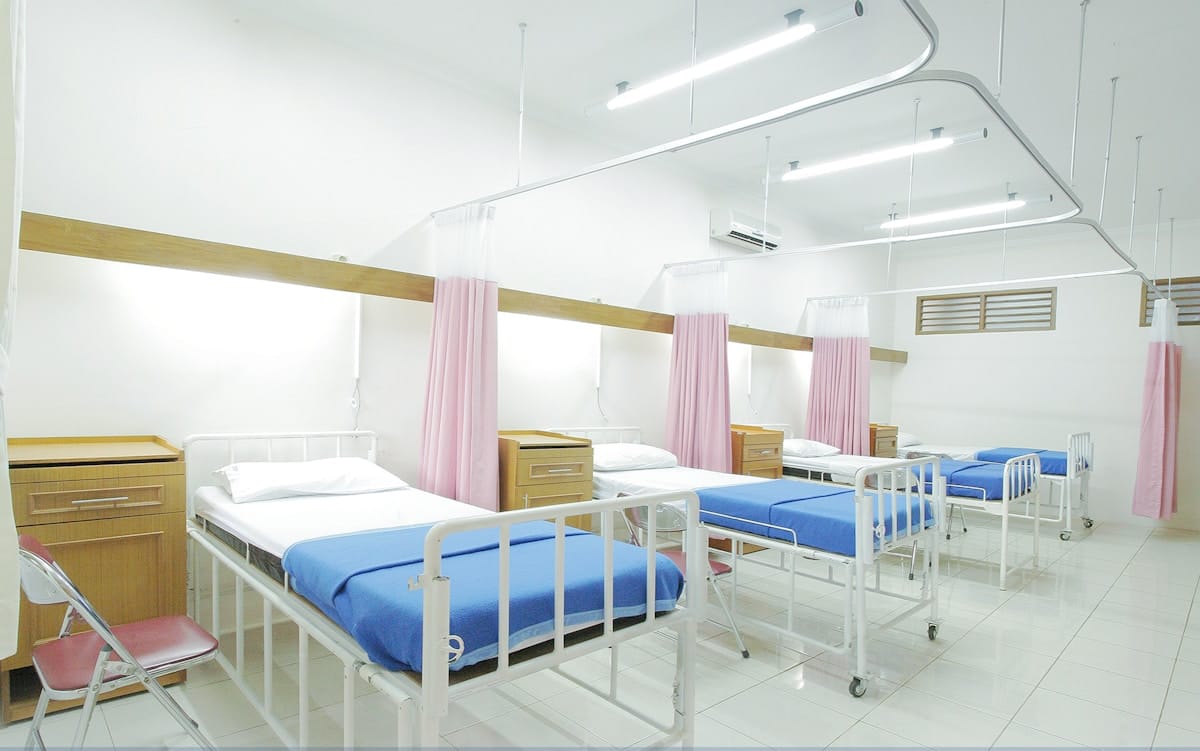
The latest Barómetro dos Internamentos Sociais, published on Thursday by the Associação Portuguesa de Administradores Hospitalares (APAH), records the highest number of clinically-unnecessary hospital admissions in the indicator's history. On the snapshot date of 19 March 2026, 2,807 patients were occupying acute beds in the Serviço Nacional de Saúde (SNS) for non-medical reasons — most awaiting placement in the Rede Nacional de Cuidados Continuados Integrados (RNCCI) or in residential care homes (lares) that have no vacancies.
Those 2,807 beds amount to 13.8% of the entire SNS bed stock, up from 11.5% a year ago. APAH puts the corresponding annual cost to the state at €351 million — €63 million more than in the previous edition of the barometer six months ago.
A five-year curve that has only gone up
The trajectory is the most striking part of the report. The number of internamentos sociais has risen every year since 2021: 853, 1,048, 1,675, 2,342, and now 2,807 in the first quarter of 2026. That is a tripling in five years, against an SNS budget that has grown roughly 25% in the same period. APAH's barometer attributes the persistent growth to three structural pressures: an ageing population, a chronic shortage of cuidados continuados beds (the long-term care network was supposed to reach 13,500 places by 2024 — it is still under 9,500), and the dwindling supply of household carers willing or able to take a discharged elderly relative home.
What the €351 million is buying
Internamentos sociais are expensive precisely because acute hospital beds are the wrong product for the demand. The SNS pays roughly €385 a day for an internamento in a generalist medicine ward, against around €95 a day for a long-term cuidados continuados bed. Each patient kept in the wrong setting therefore wastes about €290 a day — and ties up clinical staff, monopolises a bed an emergency department needs, and contributes to the corridor backlogs that the SPMS has been documenting in its weekly urgência reports.
The financial picture has become starker because the government's emergency response has not scaled. In January, the Conselho de Ministros approved a €1,876 daily payment per freed bed to private and social sector operators that take in a patient awaiting cuidados continuados — but uptake has been slow, with only a few hundred of the 400 emergency beds Ana Paula Martins promised actually delivered.
Where the patients are stuck longest
The barometer's regional breakdown shows the heaviest pressure in the Lisboa e Vale do Tejo region (about 950 patients) and the Norte region (about 760), reflecting both demographic weight and the historic under-investment in cuidados continuados beds north of the Mondego. The hospitals reporting the longest individual stays are Hospital de São José in Lisbon, Centro Hospitalar e Universitário de Coimbra, and Centro Hospitalar Universitário de São João in Porto — three of the country's largest. APAH's earlier April finding that 745 patients had been hospitalised without medical need for more than a year remains the bleakest single statistic in the file.
What the government is being asked to do
APAH's recommendations to the Health Ministry repeat the same three asks: accelerate the contractualisation of new RNCCI places (a process slowed by tariff disputes with the social sector), deploy the §400-bed emergency programme nationally rather than concentrating it in Lisbon, and create a parallel discharge-to-assess pathway that lets multidisciplinary teams move patients out of hospital first and arrange long-term care from a community setting. The government's diploma on internamentos sociais is currently in the Conselho Económico e Social for advisory opinion, with publication in Diário da República expected before the end of May.
For the SNS, the immediate question is whether a system already running with corridor patients in winter and overstretched A&Es in summer can absorb another 12 months of bed losses at the current rate before the new long-term care capacity comes online. On the SNS-governance accountability tape, our read on the IGAS findings against ex-SNS executive director António Gandra D'Almeida and the LTFP–militar accountability gap sets the latest reference.