Grupo Nabeiro Pours €20 Million Into Doubling Delta Cafés' Campo Maior Roastery to 200 Tonnes a Day — Prime Minister Inaugurates the Line as the Group Targets a Top-10 Global Coffee Slot
Grupo Nabeiro inaugurated a new line at Delta Cafés' Campo Maior roastery on Thursday, doubling daily output to 200 tonnes. Prime Minister Montenegro attended; Rui Miguel Nabeiro is targeting a global top-10 brand slot.
Grupo Nabeiro inaugurated a new high-capacity production line at its Delta Cafés mother plant in Campo Maior on Thursday, anchoring a €20 million expansion that will double the Alentejo roastery's daily output from roughly 100 tonnes of coffee to 200 tonnes. Prime Minister Luís Montenegro was on site to cut the ribbon — a stop folded into the day's decentralised Council of Ministers in nearby Beja — alongside the family company's chief executive Rui Miguel Nabeiro.
The investment, in advanced planning since 2019 and now in its final implementation phase, makes Delta the largest coffee roaster in the Iberian Peninsula by installed capacity and lifts the Campo Maior facility into the upper tier of European industrial roasting plants.
What the €20 Million Buys
The expansion is more than a capacity bump. The new investment programme covers a green-coffee warehouse and silo complex, high-throughput roasting equipment, industrial mills and packaging lines, dedicated capsule production lines for the company's growing single-serve range, an on-site photovoltaic park, and an automation and AI layer that will run scheduling and quality control across the plant. Together the upgrades push Delta's Campo Maior site towards the energy-efficiency and traceability standards that European retail chains and out-of-home foodservice operators are now writing into procurement contracts.
The Numbers Behind the Plant
Delta turned over €650 million in 2025, up 12% on 2024, with international sales contributing around 35% of revenue. The group has a presence in more than 50 countries across five continents and employs over 4,000 people. According to brand-strength rankings, Delta climbed two places in two years to enter the world's top 20 coffee brands; Rui Miguel Nabeiro's stated ambition is a top-10 placing.
"Este investimento representa muito mais do que reforçar a nossa capacidade industrial. É uma decisão estratégica que nos prepara para competir com os maiores players do mundo," Nabeiro told assembled press at the inauguration — a clear signal that the family group is positioning Delta as a Portuguese answer to the Nestlé-Lavazza-JDE-Starbucks bracket rather than as a regional Iberian operator.
Why Campo Maior
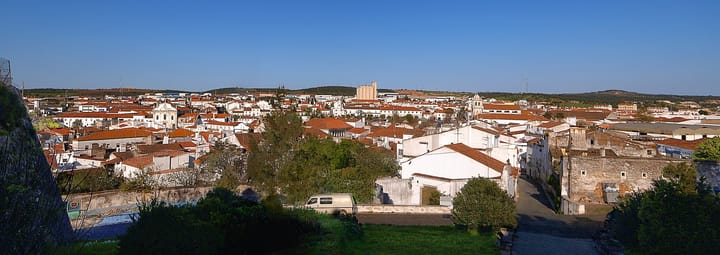
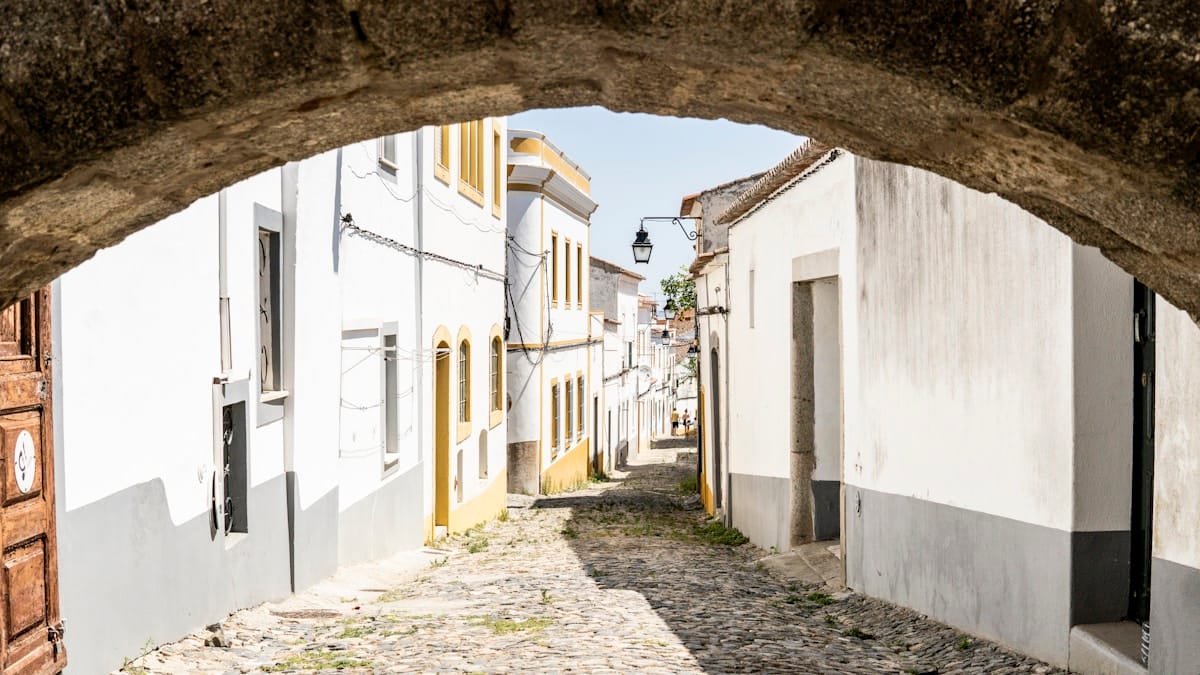
The choice of Campo Maior — a town of fewer than 8,000 people on the Spanish border — is part of the Nabeiro story. The group has anchored the bulk of its industrial activity in its Alentejo birthplace for decades, in a region where industrial employment is otherwise scarce. The doubling of plant capacity is expected to lock in and grow the existing direct workforce in the town, with knock-on effects on logistics, packaging suppliers and the local hospitality sector. Montenegro's presence at the inauguration, on the same day his cabinet met in Beja, reinforced a government narrative around interior-Portugal investment that the executive has been pushing since taking office.
What This Means for Expats
- Coffee market: Doubling Iberian roasting capacity puts downward pressure on supermarket and café-bar coffee pricing in Portugal over the medium term, especially in the capsule and pod segments where Delta competes most directly with Nespresso.
- Foodservice supply: Restaurants, hotels and co-working spaces in Lisbon, Porto and the Algarve increasingly source from Delta. The expanded plant should ease the supply-chain wobble that hit Iberian roasters during the 2024 green-coffee price spike.
- Alentejo investment story: Combined with the Mota-Engil-led Sines logistics build-out and the Évora battery-cell campus, Campo Maior's expansion adds one more dot to the map of serious industrial commitment in interior Portugal — relevant for anyone weighing a relocation outside the Lisbon-Porto axis.
- Energy footprint: The on-site photovoltaic park will offset a meaningful share of the plant's electricity use, reducing exposure to the Iberian wholesale-power volatility that has unsettled industrial users since 2022.
For a 65-year-old family company that began with a single warehouse in 1961, the doubling of Campo Maior is the largest single industrial commitment in Delta's history — and a bet that Portuguese coffee can punch above its weight on a global stage that has, for the moment, very few European challengers.