Government Plans Modular Construction to Reach 300 Detention Beds for Irregular Immigrants by Summer — Secretary of State Says Portugal Is No Longer the EU's Illegal-Migration Front Door
The government will widen the existing immigrant detention network to 300 beds by summer 2026 using temporary modular structures bolted onto current Centros de Instalação Temporária (CITES), the Secretary of State Adjunto da Presidência with the...
The government will widen the existing immigrant detention network to 300 beds by summer 2026 using temporary modular structures bolted onto current Centros de Instalação Temporária (CITES), the Secretary of State Adjunto da Presidência with the immigration portfolio, Rui Armindo Freitas, told Lusa in an interview published Sunday morning.
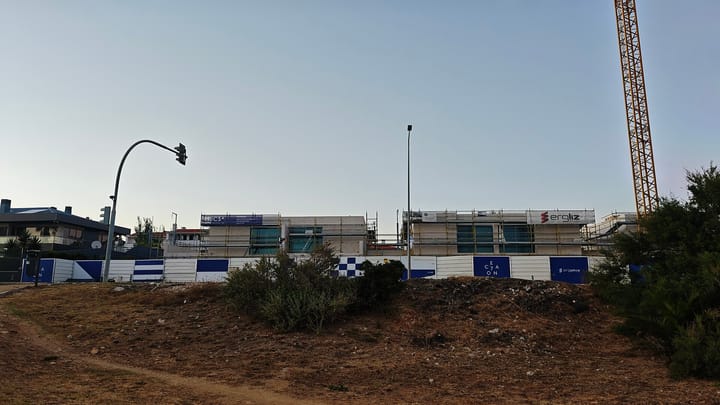
The modular expansion is designed to bridge the operational gap until the two new permanent CITES facilities — one at Odivelas and a second in northern Portugal — come online. Those two builds are budgeted at roughly €30 million, financed through the Plano de Recuperação e Resiliência (PRR) under a reallocation that took funds previously earmarked for police housing, and they are managed by the PSP. The first of the two permanent CITES is scheduled to begin operating in the second half of 2026, with the second following on a staggered schedule.
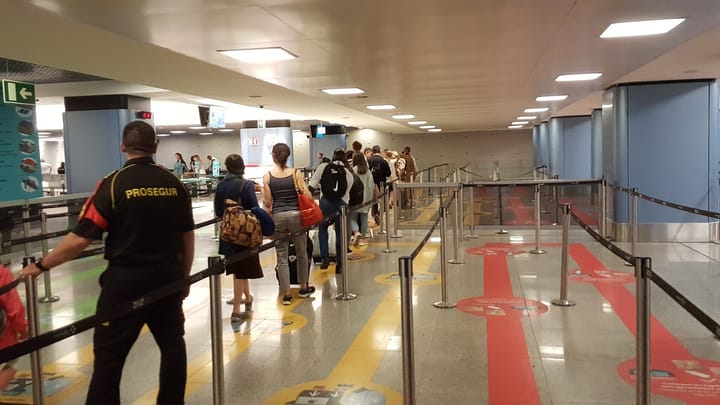
The 300-bed target reflects a doubling of current detention capacity. Today the existing CITES — including the long-standing Unidade Habitacional de Santo António in Porto and the airport-side spaces at Lisboa, Porto and Faro — operate well below the level the government says is needed to hold irregular migrants while courts decide on stay or removal. Modular building is the only lever that delivers extra beds on the timescale the government wants.
The interview frames the build-out alongside Rui Armindo Freitas's headline claim: that Portugal is no longer the European Union's preferred entry point for irregular migration. The argument leans on the steep fall in irregular crossings via the Spanish frontier and Lisboa airport recorded since the AIMA reform package took effect in late 2025, the new Lei de Imigração that tightened reagrupamento familiar and shortened appeal windows, and the November 2025 expulsion law approved by the Council of Ministers. The Secretary of State pointed to AIMA's stabilised backlog, the new appointment-channel architecture rolled out through Lojas de Cidadão during the spring, and the November 2025 reform package closing the legal pathways previously used for "dilatory" appeals as evidence the regime is now functioning.
The political timing is unmistakable. The interview lands the same weekend as the Polícia Judiciária searches at AIMA's Ponta Delgada delegation in Operação Linha Direta — an investigation into public servants suspected of selling appointments — and ahead of next week's parliamentary debate on the labour package, where the AD government is under pressure from the left-bench (PS, BE, PCP, Livre) and from Chega from the right. Showing operational results on detention capacity is part of how the government wants to manage that political moment.
For foreign residents, the news has limited direct effect: the CITES network handles irregular migrants pending judicial decisions on stay or removal, not legal residents on AIMA appointments. The relevance is upstream — the build-out is part of the same policy bundle that has reshaped citizenship timelines, family reunification rules and the appeal architecture used by AIMA. For anyone with an AIMA file currently in progress, the operational signal is that the agency's procedural backlog is the priority, with new resources flowing into both detention and the appointment-channel architecture in the same budget envelope.
Sources: Lusa Sunday interview with Rui Armindo Freitas (3 May 2026); ECO February 2025 reportage on the €30 million PRR-financed CITES at Odivelas and northern Portugal; ECO November 2025 reportage on the expulsion-regime reform; Público February 2025 explainer on the two-CITES architecture.