Government Launches EUR 600 Million Credit Line to Shield Businesses From Soaring Energy Costs
The Portuguese government has unveiled a EUR 600 million credit line to support businesses struggling with elevated energy costs, as the economic fallout from the Middle East conflict continues to weigh on the country's productive sector. Prime...
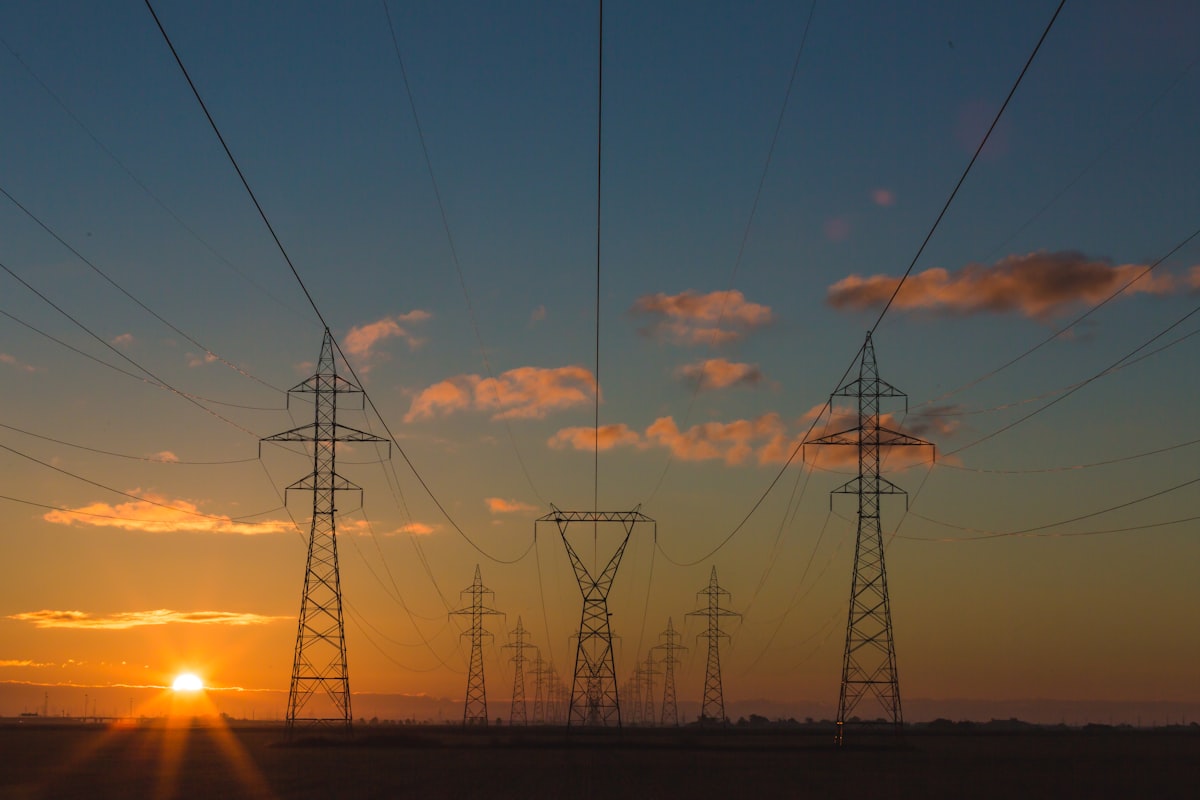
The Portuguese government has unveiled a EUR 600 million credit line to support businesses struggling with elevated energy costs, as the economic fallout from the Middle East conflict continues to weigh on the country's productive sector.
Prime Minister Luís Montenegro announced the "Portugal Resiliência Energética" programme on April 2 during a ceremony marking his government's second anniversary in office. The credit line, operated through the state-owned Banco Português de Fomento, is designed to provide working capital and operational financing to companies where energy costs account for more than 20 per cent of total production expenses.
How the Programme Works
The support takes the form of state-guaranteed credit rather than direct grants. Small and medium enterprises will benefit from public guarantees covering up to 80 per cent of the loan amount, while large companies will receive guarantees of up to 70 per cent. The guarantee structure is intended to improve companies' access to bank financing on more favourable terms than they could secure independently.
The programme is open to firms across all sectors, provided they meet the 20 per cent energy-cost threshold. No sector-specific caps or priority categories have been announced.
Why It Matters
Portugal's business community has been under sustained pressure from rising energy prices since the escalation of the conflict in the Strait of Hormuz drove global oil and gas markets sharply higher. Although a ceasefire announced in early April brought Brent crude back below USD 100 per barrel, wholesale energy costs remain well above pre-crisis levels, and many Portuguese firms — particularly in manufacturing, ceramics, glass, and food processing — continue to face margins squeezed by elevated input costs.
A recent survey by the European Investment Bank found that nearly one in four Portuguese businesses expects revenue to decline in 2026, making Portugal's corporate sector the most pessimistic in Europe. The energy credit line is the latest in a series of government interventions aimed at cushioning the blow, following the emergency fuel tax cut approved unanimously by parliament last week and the ongoing EU-level push for a windfall tax on energy companies.
Part of a Broader Economic Package
The announcement came alongside several other economic policy commitments. Montenegro reiterated the government's plan to reduce the corporate tax rate (IRC) gradually to 17 per cent by 2028 and highlighted four rounds of personal income tax (IRS) cuts worth a combined EUR 2 billion since taking office.
The government said the credit line is intended to "strengthen companies' capacity to respond to international instability" while protecting employment and the resilience of Portugal's productive fabric. Application procedures and detailed loan terms have not yet been published, though the Banco Português de Fomento is expected to release operational guidelines in the coming weeks.
Sources: Portuguese Government (portugal.gov.pt), Rádio Renascença, Euronews, Xinhua