Galp Reshuffles Jet Fuel Imports Away from the Gulf as Washington–Tehran Escalation Forces Portuguese Aviation Fuel Supply to Pivot West
Portugal's largest energy company Galp is rewriting its jet-fuel import map. The war between the United States, Israel and Iran, which has closed off parts of the Persian Gulf to routine commercial tanker traffic, is pushing Portuguese aviation-fuel...
Portugal's largest energy company Galp is rewriting its jet-fuel import map. The war between the United States, Israel and Iran, which has closed off parts of the Persian Gulf to routine commercial tanker traffic, is pushing Portuguese aviation-fuel supply from east to west — away from Middle Eastern loading points and towards Atlantic-basin refiners.
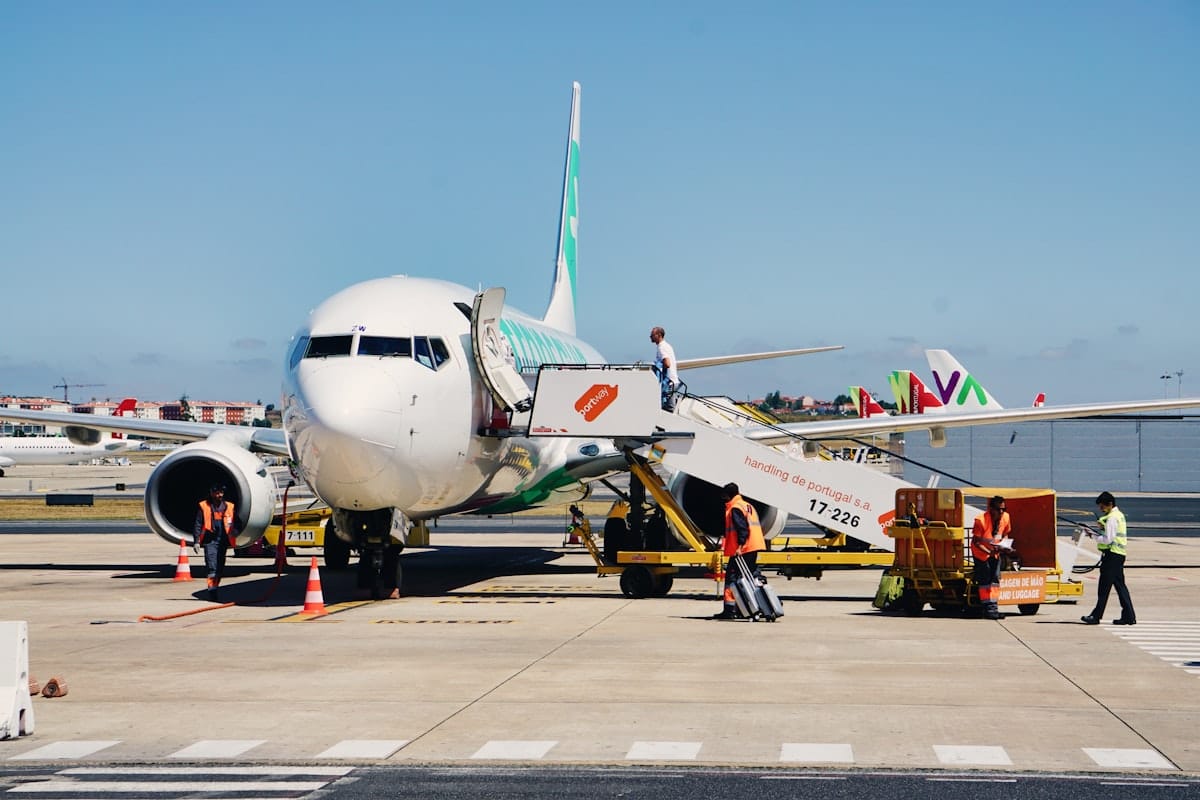
The company is not the country's only supplier, but it is the indispensable one. Galp operates the Sines refinery, which covers roughly 80% of the jet fuel that fills the wings of aircraft at Humberto Delgado, Francisco Sá Carneiro, Faro, Funchal and the Azores airports. The remaining 20% comes from imports — and that 20% is where the Middle East pivot is playing out.
Where the Fuel Is Now Coming From
The Sines refinery is leaning harder on crude from Brazil, Algeria and Nigeria, a mix that was already in place before the latest escalation but has been increased to compensate for the Gulf volumes Galp is no longer prepared to rely on. The refined jet fuel that cannot be produced at Sines is now being sourced from western markets rather than from Persian Gulf suppliers.
The shift is operationally complex. Atlantic-basin refineries do not have the spare kerosene capacity of Gulf export hubs, and shipping from the Americas or West Africa adds days to lead times compared with the Middle East route. Galp's procurement team has responded by booking import cargoes further in advance and by drawing down less of its stock buffer than it would in a calmer year.
How Long the Cover Lasts
The company has publicly assured the government that airport stocks, domestic production and pre-contracted imports together cover Portuguese demand through to the summer peak — roughly early to mid-August. That period is the single most demanding of the aviation year, with inbound tourism filling flights and charter operators topping up volumes on top of the scheduled carriers.
The Minister of Environment and Energy repeated that assurance at the beginning of the week, adding that Portugal "is not immune" to a broader European supply squeeze but that the immediate risk of a physical shortage at a Portuguese airport is low. A broader European-wide crunch remains the scenario Brussels is watching: the continent does not have strategic jet fuel reserves of the sort that exist for crude or diesel, and the Iberian Peninsula depends for resilience on the nine refineries spread between Spain and Portugal.
Why It Matters for Expats
For residents who fly — whether back to families in northern Europe, the Americas or the CPLP — the practical read is that there is no imminent threat of flight cancellations for fuel reasons. What is at stake is price. Portuguese airlines and handlers buy jet fuel on the spot market, and the cost of rerouting supply from further-away refiners is already showing up in Galp's margin data.
Refining margins on middle distillates have risen sharply since the conflict escalated, a pattern the company has confirmed in its trading updates. If the war drags through the summer, those costs will eventually filter into ticket prices — and the first indicator will not be at Lisbon's check-in counters but in the monthly jet fuel price index that regulators track. The pivot west buys Portugal time. It does not make the bill go away.