From Construction Rubble to Designer Bathtubs — Portugal's Circular Economy Pioneers Are Turning Waste Into Profit
A growing number of Portuguese companies are proving that one industry's waste can be another's raw material. From marble offcuts in Sintra to ocean plastic in Guimarães, a new generation of entrepreneurs is building viable businesses around...
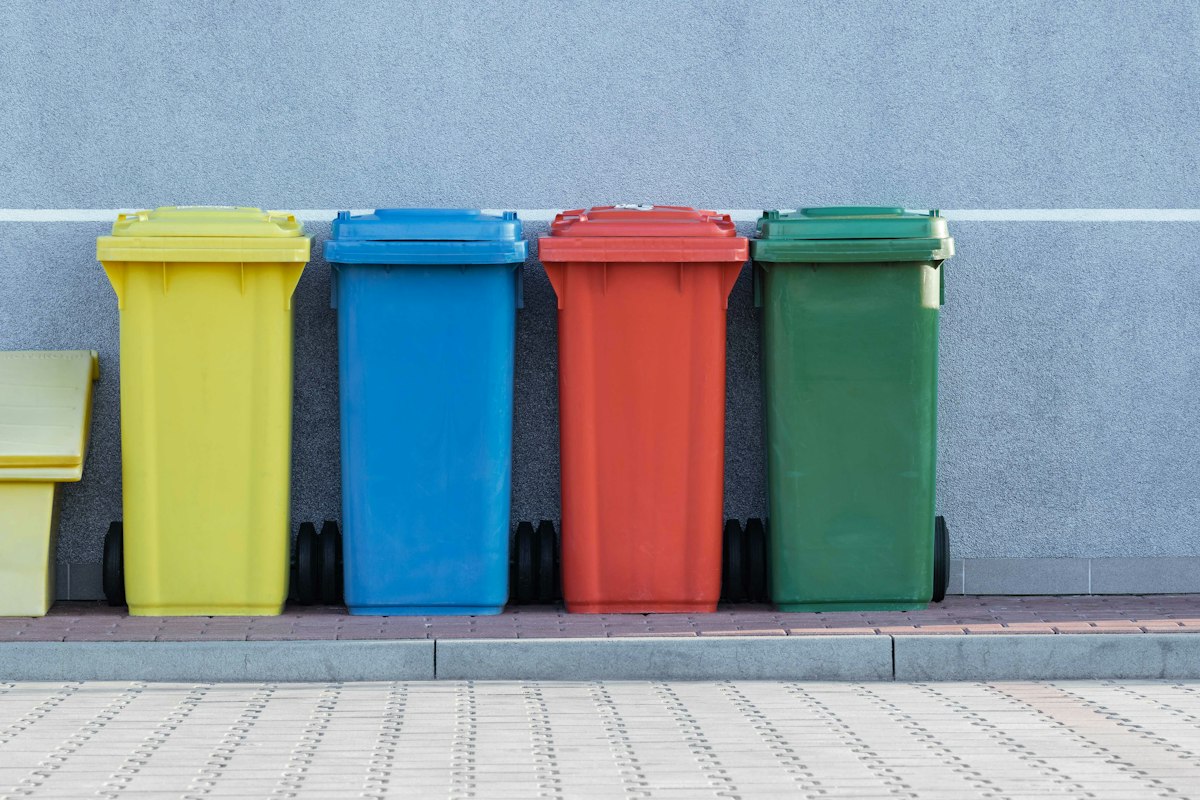
A growing number of Portuguese companies are proving that one industry's waste can be another's raw material. From marble offcuts in Sintra to ocean plastic in Guimarães, a new generation of entrepreneurs is building viable businesses around materials that would otherwise end up in landfill — and Portugal, which still sends roughly 60 per cent of its waste to landfill, has plenty of raw material to work with.
Matterpieces: Building With Demolition Waste
Architects Patrícia Gomes and Luís Lima co-founded Matterpieces in 2022 to transform construction debris — tiles, bricks, cement, and stone — into revetment panels and furniture. The Lisbon-based startup has already diverted 50 tonnes of waste from landfill and projects processing 360 tonnes within two years. The company currently offers 13 texture designs and was a finalist in the LX Circular programme, Lisbon's municipal circular economy initiative.
Olivah: Marble Waste Meets High Design
In Sintra, architect Gisella Tortoriello founded Olivah to create design objects from marble, limestone, granite, and slate waste sourced from Portugal's stone-cutting industry. Products range from EUR 140 dog bowls to EUR 7,000 custom bathtubs, with 40 per cent of output exported to Belgium, France, and the United States. Olivah won the StonebyPortugal 2025 Design Product Prize.
Zouri: Shoes From the Sea
Guimarães-based Zouri has been manufacturing footwear from ocean plastic and organic materials since 2018. The company has collected 21 tonnes of beach waste to date and sold approximately 15,000 pairs in 2024, half of them exported. A new espadrille line, priced at EUR 79, launches this spring.
Ecogres: Industrial-Scale Recycled Ceramics
The most ambitious example may be Ecogres, part of the Costa Nova Group, which opened a EUR 14 million factory in Aveiro in late 2023. The facility produces 30,000 tableware pieces daily using more than 95 per cent recycled materials — just six per cent of its ceramic paste comes from virgin raw materials. In 2024 it processed 1,400 tonnes of recycled ceramic paste. The project received an honourable mention at the 2024 European Funds Prize.
Textiles and Wine Join the Loop
In Barcelos, textile manufacturer Impetus has deployed AI-powered quality control from Smartex.ai on five of its 20 looms, reducing fabric defects by 10 per cent and cutting waste in the process. Meanwhile, wine giant Sogrape valorised 98 per cent of its 2,034 tonnes of waste in 2024 and achieved a 57 per cent packaging recycling rate, avoiding an estimated 625 tonnes of CO₂ emissions.
Researchers are pushing the frontier further. The AERO2cycle project, funded by Portugal's Foundation for Science and Technology and led by NOVA University, is developing aerogels that capture CO₂ using byproducts from the fishing industry — a technology expected to reach maturity by 2028.
With EU circular economy regulations tightening and raw material costs rising, Portugal's waste-to-value pioneers are positioning themselves not just as environmentally responsible but as commercially competitive.
Sources: ECO/Economia Online, Matterpieces, Olivah, Zouri, Ecogres, Sogrape annual report