France-Portugal Treaty of Porto Enters Force — Defence, Energy, and Atlantic Cooperation Now Legally Binding
The Treaty of Friendship and Cooperation between France and Portugal — signed in Porto on 28 February 2025 by President Emmanuel Macron and Prime Minister Luís Montenegro — formally entered into force on 12 April 2026, binding the two countries to...
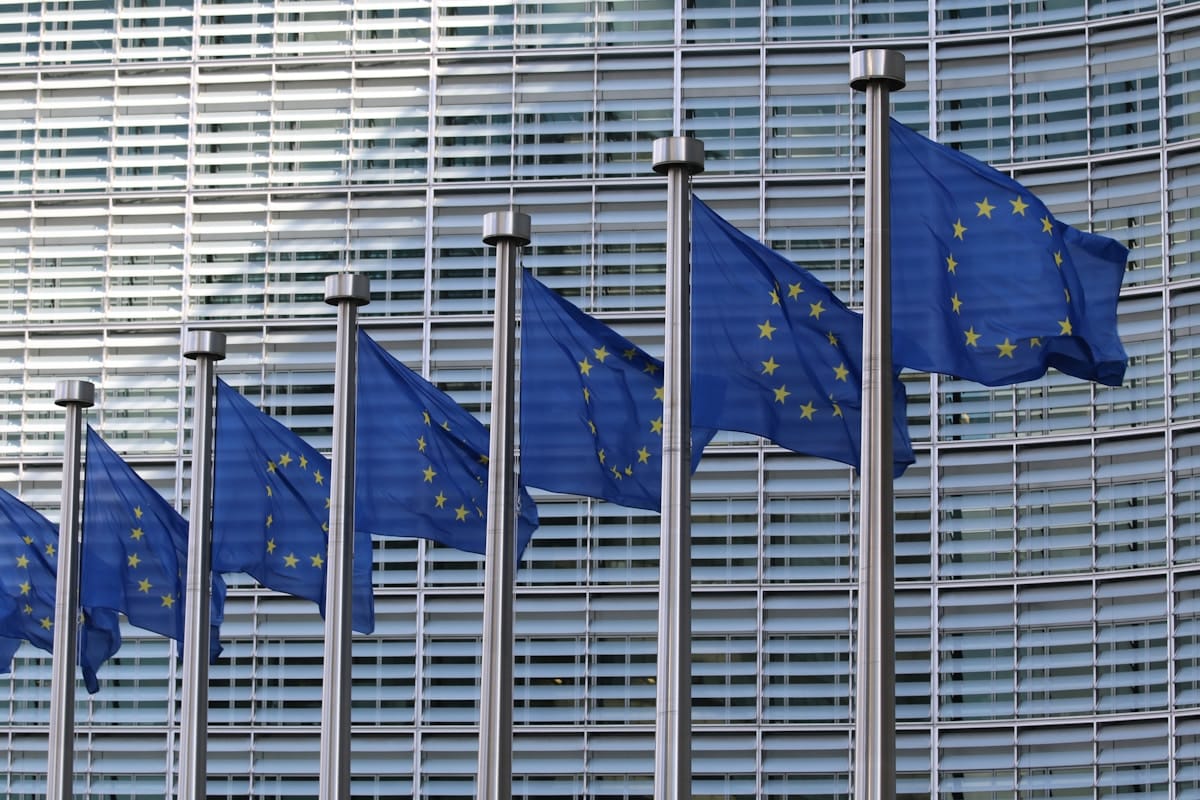
The Treaty of Friendship and Cooperation between France and Portugal — signed in Porto on 28 February 2025 by President Emmanuel Macron and Prime Minister Luís Montenegro — formally entered into force on 12 April 2026, binding the two countries to deeper collaboration on defence, energy infrastructure, trade, and education.
The agreement places Portugal alongside Germany, Italy, and Poland as one of only four EU member states with a comprehensive bilateral treaty with France — a diplomatic distinction that carries practical weight as Europe recalibrates its security architecture and energy networks in response to the war in Ukraine and the Middle East crisis.
Defence and Cybersecurity
The treaty commits both countries to closer cooperation between their armed forces and defence industries. It places particular emphasis on protecting critical infrastructure and combating hybrid threats, especially in cyberspace — a priority that has gained urgency after Portugal's intelligence service issued a rare public warning in March about state-backed hackers targeting officials' WhatsApp and Signal accounts.
For Portugal, which has struggled to fill its own military ranks — Defence Minister Nuno Melo disclosed this month that the armed forces are 7,500 troops short of their legal target — the French partnership offers access to training programmes, joint exercises, and procurement coordination that would be difficult to replicate bilaterally with any other partner.
Energy and the Atlantic
France and Portugal agreed to expand electricity interconnections with the Iberian Peninsula, seeking what the treaty describes as "optimal European funding terms." The commitment follows the April 2025 blackout that left much of the Iberian Peninsula without power for hours and exposed Portugal's vulnerability as one of the most electrically isolated countries in Western Europe.
The two governments also pledged to develop what they call a "sustainable blue economy" in the Atlantic — a term that covers marine research, offshore energy, fisheries management, and port infrastructure. Portugal's exclusive economic zone is one of the largest in the EU, and the partnership with France — which controls substantial Atlantic and overseas territories — could unlock EU co-financing for projects that neither country would pursue alone.
Trade and Education
France was Portugal's third-largest trading partner in 2025, with bilateral investment flows growing in both directions. The treaty includes commitments to support small and medium-sized enterprises and to reduce regulatory friction for cross-border business.
On education, both sides acknowledged a bottleneck: there are only around 100 Portuguese-language teachers currently available in France, far fewer than demand requires. The treaty calls for recruitment and training programmes to expand language instruction and student mobility — a practical measure aimed at the estimated 1.5 million people of Portuguese descent living in France.
The Missing Treaty
The Porto agreement's entry into force also highlights a conspicuous absence. Spain's Barcelona Treaty with France, signed in January 2023, remains unratified — blocked by Spanish parliamentary opposition to provisions that would allow ministers from one country to attend the other's cabinet meetings. Portugal, by contrast, moved from signature to ratification in 14 months, underscoring Lisbon's appetite for deeper European integration at a moment when the continent's institutional architecture is being stress-tested.