Forum Portugal Nação Global Opens at the CCB With 634 Participants From 43 Countries — 415 B2B Meetings on the Schedule and 99 Diaspora Companies Eye €500K-€5M Tickets Into Portugal
The Centro Cultural de Belém opened the first edition of the Forum Portugal Nação Global on Wednesday — 634 participants from 43 countries, 415 B2B meetings, and 99 diaspora-led companies eyeing €500K-€5M tickets into Portugal.
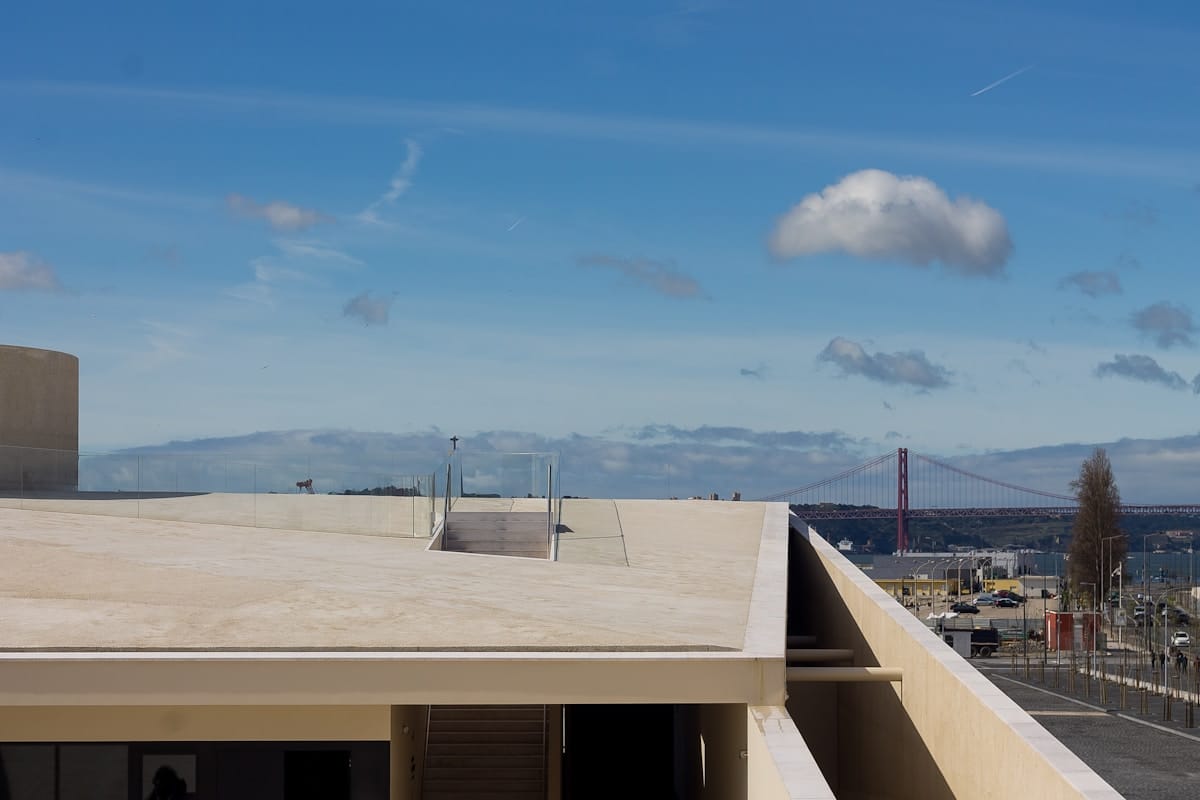
The Centro Cultural de Belém threw open its doors on Wednesday for the first edition of the Forum Portugal Nação Global, a two-day, government-backed convening of the Portuguese diaspora and Portuguese-headquartered companies that aims to convert the five-million-strong overseas community into something more transactional than identity-based.
The Opening-Day Numbers
Numbers tell the early story. The Secretariat of State for Portuguese Communities confirmed 634 participants from 43 countries across five continents, 415 pre-scheduled B2B meetings, and a clean split between supply and demand: 98 Portuguese companies pitching for foreign capital and 99 diaspora-led companies declaring intent to invest into Portugal. The investment tickets fall, in the bulk of cases, into the €500,000 to €5 million range — venture-and-mid-market territory rather than headline FDI, but exactly the gap that Portugal's domestic capital markets struggle to fill.
Montenegro's Pitch and Its Awkward Backdrop
Prime Minister Luís Montenegro used the opening session to push the line his cabinet has been refining since the autumn: that Portugal is "highly competitive" from an energy-cost standpoint and should be positioned as a Western European production base for diaspora-led businesses. The pitch lands awkwardly in the same week Brussels referred Portugal to the EU Court of Justice over missing renewable-energy transposition, but the underlying numbers — 80%-plus renewables in the electricity mix, lower industrial-power prices than France or Italy on most days — give the rhetoric something real to lean on.
Regional Governments Show Up to Compete
Regional governments arrived ready to compete. Madeira, the Alto Alentejo and the Açores all sent delegations to pitch land, incentives and labour pools to the diaspora investors in attendance. The Alto Alentejo bench in particular has been working a quiet diaspora-targeted strategy for the last two years, focused on retirement-age returners and small-format manufacturing. Madeira's presence is anchored on tourism-adjacent investment and the digital-nomad infrastructure the regional government has been building since 2021.
The Longer-Term Platform Behind the Forum
Behind the agenda sits the Secretariat of State's longer "Portugal, Nação Global" platform — an attempt to permanently link Portuguese municipalities with diaspora investors and to standardise the on-ramp for someone living in Toronto, São Paulo, Newark or Johannesburg who wants to bring capital, a business or a relocation back into Portugal. Portuguese diplomatic posts have been collecting expressions of interest for months; the CCB event is the first big in-person aggregation.
Why the Diaspora Channel Matters
For Portugal's economic-policy stack, the political stakes are real. The country needs roughly €5 billion of net annual FDI inflow to maintain the productivity catch-up trajectory the Banco de Portugal has called for, and the diaspora is structurally the lowest-friction source — same language, family ties, cultural fluency, and increasing wealth in the second and third generations. The 99 declared diaspora investments at the Forum, even at the lower end of the indicated €500K-€5M range, would represent at minimum €50 million in committed capital across this cohort alone — a small share of the national target, but with very low regulatory cost.
The Conversion Question
Whether the Forum turns into an annual fixture or a one-off depends on conversion. The 415 B2B meetings on the schedule are genuine match-making slots, but the work of converting "intention to invest" into signed binding paperwork is exactly where prior Portuguese export and FDI campaigns have lost momentum. The Centro Cultural de Belém, this week, gave the new platform a high-visibility launch. The next twelve months will determine whether the diaspora actually moves the dial.