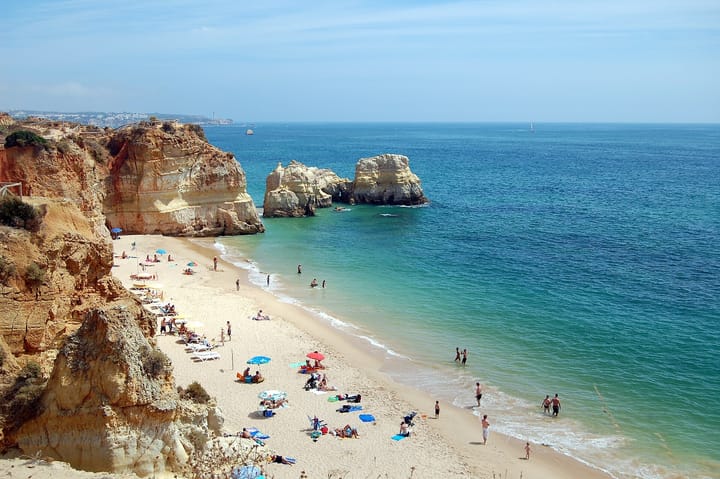
Faro Leads Portuguese Holiday Rental Scams With 153 Cases — GNR Warns Tourists and Expats Ahead of Summer
The GNR logged 725 holiday rental scams in Portugal last year — 153 in Faro alone, more than one in five of the national total. With summer approaching, officers warn tourists and expats to avoid listings priced well below market, insist on in-person viewings, and reverse-image search every photo.

Portugal's Republican National Guard (GNR) issued a nationwide alert on Wednesday warning residents and visitors about a surge in vacation rental scams carried out through digital platforms, with the Algarve emerging as by far the biggest hotspot. The Faro district alone registered 153 fraudulent rental cases in 2025 — roughly 21 per cent of every such crime reported nationwide.
The Numbers
According to GNR figures released on 15 April and publicised a day later, officers documented 725 property rental and purchase scams across Portugal in 2025, a slight 5 per cent reduction from the 762 cases logged in 2024. But the national total masks sharp regional divergences. Faro's 153 cases dwarf every other district:
- Faro: 153 cases (21.1% of national total)
- Setúbal: 91 cases
- Lisbon: 86 cases
- Braga: 72 cases
- Porto: 72 cases
- Aveiro: 46 cases
- Leiria: 41 cases
- Santarém: 38 cases
- Castelo Branco: 21 cases
- Viseu: 20 cases
Several inland and northern districts saw particularly sharp year-on-year increases, even from a low base: Portalegre jumped 150 per cent (from 4 to 10 cases), Viana do Castelo 89 per cent (9 to 17), Leiria 78 per cent (23 to 42), and Castelo Branco 75 per cent (12 to 21). Madeira reported just one case, according to reporting by DNotícias.
How The Scams Work
The GNR describes a consistent pattern. Criminals lift photographs of genuine properties from legitimate listings, republish them at prices well below the local market average on rental platforms or classifieds, and pressure interested renters into transferring a deposit or the full amount before they have had a chance to inspect the property in person.
The fraud is usually detected only weeks or months later — often when the would-be renter arrives at the address to find the property either does not exist, is not available to rent, or is occupied by the legitimate owner who has never heard of the booking. By that point, the advertiser's phone number and email have typically been deactivated, making recovery nearly impossible.
GNR officers arrested three suspects linked to rental fraud networks during 2024 and 2025, but the underlying crime is difficult to prosecute because the perpetrators often operate from outside Portugal and use reusable fake identities across multiple platforms.
What The GNR Recommends
The authority's prevention checklist includes: distrust any price markedly below the local average; always visit the property in person before paying; reverse-image search the photographs to see whether they appear on other listings with different contact details or prices; request official identification from the advertiser; check that the name on the receiving bank account matches the name of the person advertising the property; and refuse to be rushed by claims that "several other interested renters" are ready to pay immediately.
What This Means For Expats
For the tens of thousands of D7, D8 and Golden Visa holders who rent accommodation in Portugal — often sight unseen from abroad during the relocation phase — and for the millions of tourists who holiday in the country each year, the Faro concentration is the single most actionable data point in the GNR's release. If you are searching for a short-term rental in the Algarve, you are statistically in the district most targeted by fraud, and the precautions below matter more than almost anywhere else in the country.
Three specific points worth internalising before paying for any Portuguese short-term rental, especially in the Algarve:
- Use platforms that hold the deposit in escrow. Booking.com, Airbnb and Vrbo retain payment until check-in and offer dispute resolution. Direct bank transfers to private accounts via WhatsApp, Facebook Marketplace or OLX listings are where almost all of the documented frauds occur.
- Reverse-image search every photo. Google Lens takes five seconds per image. If the same photograph appears on three different sites with three different prices and contact details, you are looking at a cloned listing.
- Be aware of EU Regulation 2024/1028. From 20 May 2026, all short-term rental platforms operating in Portugal must verify listings against the Registo Nacional de Alojamento Local. Any listing without a registration number on or after that date should be treated as suspicious regardless of price.
The GNR has set up a direct reporting channel through its Linha Apoio à Vítima for anyone who suspects they have been targeted. Victims of rental fraud should preserve all written communication, bank transfer receipts and screenshots of the original listing before it is taken down — evidence that in practice is the difference between a case being prosecuted and closed.
Related reading: Jet2 Boeing 737 Makes Emergency Landing at Faro After Crew Reports Cabin Smoke — All 141 Passengers Safe Tourism context: INE's March 2026 tourism release.