Diário da República Inscribes the 180.49 km Caminho de Torres as a Certified Caminho de Santiago Route — Sernancelhe-to-Valença Line Threads Alto Douro Vinhateiro, the Guimarães Historic Centre and 15 Municipalities Across Two UNESCO Sites
A portaria published in the Diário da República on 12 June 2026 inscribes the 180.49 km Caminho de Torres into the official Caminho de Santiago network, running from Sernancelhe to Valença across 15 municipalities and two UNESCO sites.
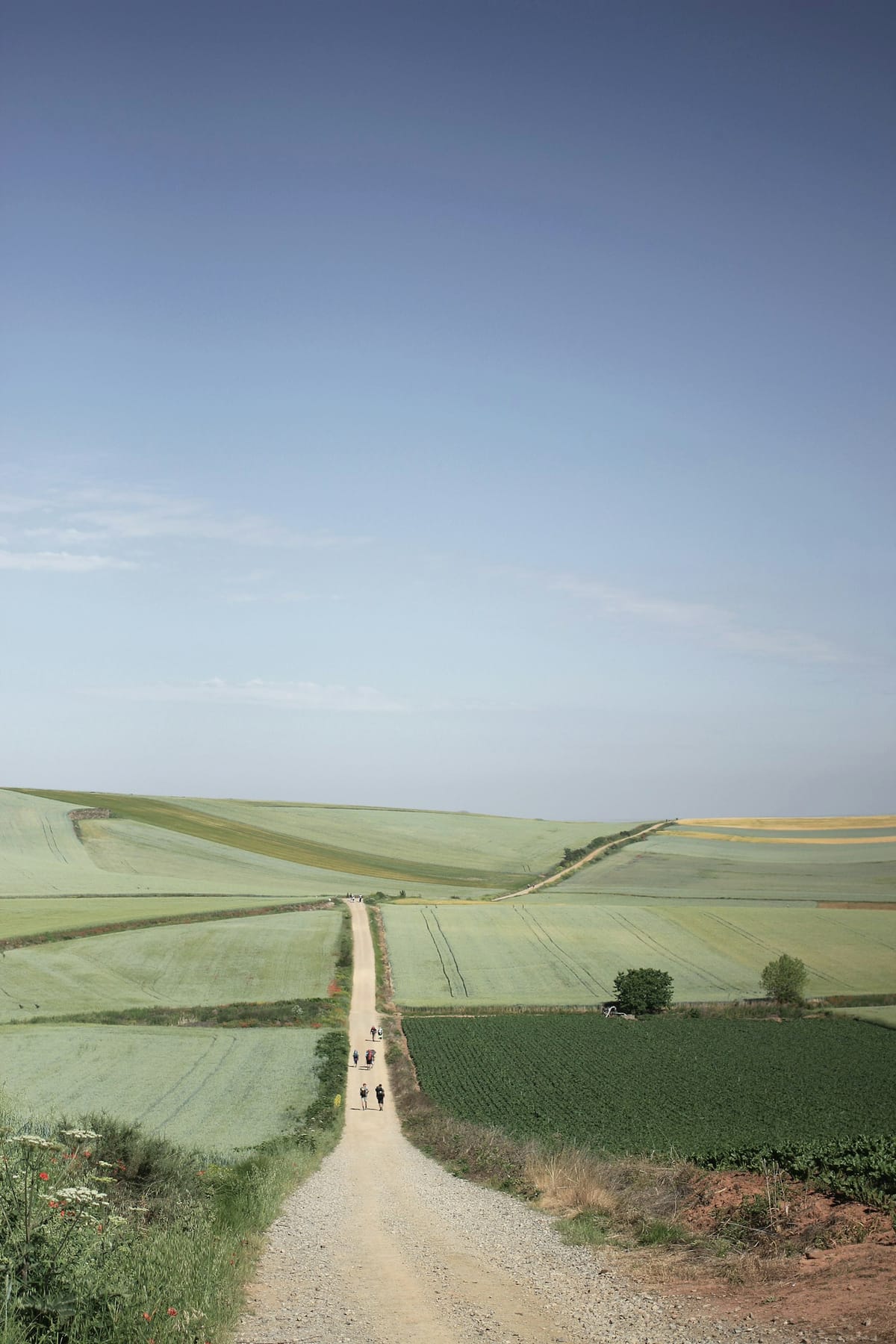
The Caminho de Torres is now a certified Caminho de Santiago itinerary. A portaria published in the Diário da República on 12 June 2026 inscribes the 180.49-kilometre Sernancelhe-to-Valença line into the official network of Portuguese routes carrying the European Cultural Itinerary mark — the same status held by the Caminho Central, the Caminho da Costa and the Caminho Interior. The Secretaria de Estado da Cultura (State Secretariat for Culture) and the Turismo de Portugal national board co-signed the technical dossier, and the Direção-Geral do Património Cultural (Directorate-General for Cultural Heritage, DGPC) carries the conservation oversight.
The line, municipality by municipality
The route opens at Sernancelhe in the Viseu Dão Lafões sub-region and runs north-west across 15 concelhos: Sernancelhe, Moimenta da Beira, Tarouca, Lamego, Peso da Régua, Mesão Frio, Baião, Amarante, Felgueiras, Guimarães, Braga, Vila Verde, Ponte de Lima, Paredes de Coura and Valença. The Minho-bank crossing at Valença feeds straight into the Galician network and on to Santiago de Compostela, joining the existing Portuguese trunks that funnel pilgrims through Tui and Porriño.
Two UNESCO World Heritage Sites sit on the line. The Alto Douro Vinhateiro — the terraced Douro wine landscape running through Peso da Régua, Mesão Frio and Baião — anchors the southern stretch, and the Centro Histórico de Guimarães (Historic Centre of Guimarães) anchors the Minho approach. Between the two, the trail threads Romanesque churches across the Rota do Românico, the Mosteiro de São João de Tarouca, the granite chapels of the Serra da Aboboreira and the riverside frame of Ponte de Lima — Portugal's oldest vila.
The Diego de Torres Villarroel back-story
The route takes its name from Diego de Torres Villarroel, an 18th-century Salamanca polymath whose pilgrimage account threaded the same northern-Portugal valleys the modern itinerary follows. The technical dossier compiled by the Via Lusitana association also folds in older medieval testimonies, the São Gonçalo de Amarante devotional cycle (the saint's tomb in Amarante remains one of the most-visited pilgrimage shrines in northern Portugal) and documentary traces from monastic cartularies dating to the 12th and 13th centuries. The conservation case for certification rested on continuity of use — meaning the path could be reconstructed across the entire line without inventing missing segments — and on the density of heritage assets per kilometre, both of which sit at the upper end of the Portuguese certified-route stack.
Tourism, lodging and the credencial
Certification is more than a symbolic stamp. It unlocks the Compostela credencial recognition, meaning stamps collected at parish offices, monasteries and registered lodgings along the line count toward the Compostela certificate at the Pilgrim's Office in Santiago. Concelhos along the trail — Guimarães, Braga and Valença in particular — are already in the lodging-mapping phase, with municipal albergues, parish accommodation and private guesthouse partners pencilled in across the 12-stage standard cut of the route. Turismo de Portugal's 2026 pilgrimage strategy has the Caminho de Torres pencilled in for joint cross-border promotion with the Xunta de Galicia from the autumn shoulder season.
The certification arrives as Portugal's slice of the wider Camino de Santiago economy continues to lift — a market the Galician regional government values at more than €450 million annually for the corridor as a whole, with the Portuguese segment now claiming the largest non-Spanish share. A new line through the Douro, the Minho and the Rota do Românico belt is the kind of supply expansion that diverts pressure from the saturated coastal Caminho Português and spreads pilgrim economic activity across the interior.