DE-SNS Opens 14-Day Public Consultation on a New Medicina Intensiva Network — 21 Service Units With Installed-but-Inactive Beds, Target of 95% Specialist Cover and a 1-Nurse-Per-1.5-Patient ICU Ratio
DE-SNS opens a 14-day public consultation (closing 20 May 2026) on a new Medicina Intensiva network. 21 SMI units have installed but inactive beds; 95% intensivist target; 1 nurse per 1.5 ICU patients; 24.4% of SMI lack rehabilitation nurses. Activation pipeline through 2029.
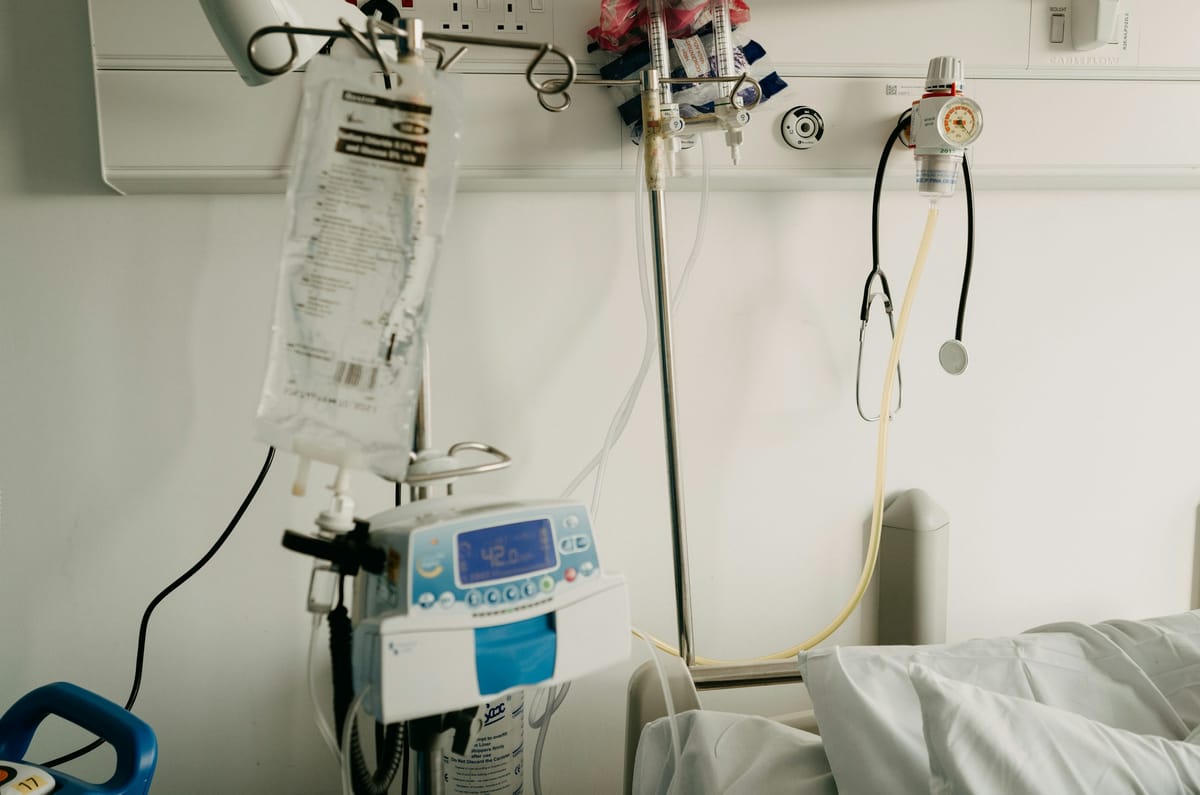
The Direção Executiva do Serviço Nacional de Saúde (DE-SNS) opened a 14-day public consultation on Monday on a proposed reorganisation of Portugal's intensive-care network — the first system-level rewrite of the Medicina Intensiva referral framework in more than a decade. The consultation closes on 20 May 2026, with the final architecture to be finalised through Q3 2026. The proposal lands inside a wider hospital-staffing crisis that has driven the parallel family-doctor and obstetric-services restructurings already in motion.
21 Service Units With Installed-But-Inactive Beds
The proposal's headline finding: 21 SMI services (Serviços de Medicina Intensiva) across the SNS network have installed beds that are not currently activated for patient care. Of those 21:
- 15 are non-activated due to insufficient nursing staff — the binding constraint.
- The remaining 6 are constrained by combinations of medical-staff shortages, equipment-renewal cycles and contiguous infrastructure works.
- 9 services are running at occupancy rates ≥85%; 13 are at ≥80%.
The activation list for 2025 includes ULS Entre-Douro-Vouga, Hospital São João (Porto), Hospital Santa Maria (Lisboa), Hospital Amadora-Sintra and several others; further openings are programmed across 2026-2029 as staffing and infrastructure align.
The Specialist-Cover Target: 95%
One of the structural targets is to raise the share of intensive-medicine specialists in ICU medical staffing:
- Current state: 72.7% of ICU physicians hold the formal Medicina Intensiva specialty.
- Target: ≥95% of medical staff in SMI units composed of intensivists.
- Current physician-to-bed ratios: 59% of services operate at 1 doctor per 4-5 beds.
- Half of all SMI units rely on contracted (não quadro) physicians to cover scheduled clinical hours.
The Nursing Architecture
The proposal's most consequential single number is the prescribed nursing ratio:
- 1 nurse per 1.5 ICU patients — a step-up from the more variable 1-to-2 and 1-to-3 ratios that operate in many SMI units today.
- 24.4% of SMI services have no rehabilitation nurses on staff.
- 26% have no clinical-psychology support; 21% lack social-services integration.
The DE-SNS framing is that the staffing-ratio uplift is the precondition for activating the 21 inactive-bed capacity, which would materially expand national ICU surge capacity — the binding constraint exposed during the 2020-2022 pandemic period.
The Early-Warning System
A parallel architectural element is a system-wide early alert system for at-risk patients, intended to trigger pre-ICU escalation before the patient deteriorates to admit-to-ICU thresholds. The aim is shorter time-to-intervention windows and reduced post-arrival severity scores. The technical specification sits inside the same consultation document.
The Working Group
The proposal was developed by a working group originally appointed in February 2024 under the previous SNS leadership and ratified by the current DE-SNS management. The group includes representatives of the Colégio de Especialidade de Medicina Intensiva of the Ordem dos Médicos, the SPCI (Sociedade Portuguesa de Cuidados Intensivos), and senior intensive-care directors from anchor reference hospitals across Lisboa, Porto and Coimbra.
How the Consultation Works
The 14-day public consultation closes 20 May 2026. Stakeholder submissions can be filed by the medical and nursing professional orders, hospital trade unions, patient associations, and independent practitioners. The DE-SNS commits to publishing a consolidated response document and the final referral-network text in Q3 2026.
What This Means for Expats
- Foreign residents using the SNS for ICU-grade care can expect activations of inactive beds through 2026-2029. The Hospital de Santa Maria and Hospital São João activations sit at the top of the schedule — both are core foreign-resident referral hubs.
- The 1:1.5 nursing ratio is the substantive uplift. ICU outcomes correlate strongly with nurse-to-patient ratios; foreign-resident readers benchmarking SNS ICU quality against private (Lusíadas, CUF, Luz Saúde) ICU operations should expect the SNS gap to narrow as the new ratio is implemented.
- The early-warning system is the most directly user-relevant element. For foreign-resident inpatients on the wards, the early-deterioration trigger is what cuts the risk of unrecognised deterioration during night shifts and weekend cover.
- The 14-day consultation window is open to submissions in writing. Foreign-resident patient associations and expat-community health advocates have the same submission rights as Portuguese stakeholder bodies; the DE-SNS publishes the consultation portal on its website.