Cost of Living in Portugal 2026: Realistic Monthly Budgets for Lisbon, Porto, Algarve, and Interior Cities
Portugal's cost of living varies wildly by region and lifestyle. This guide breaks down realistic 2026 monthly budgets for Lisbon, Porto, Algarve, and interior cities across budget, comfortable, and premium tiers.

Moving to Portugal requires more than converting your income to euros and hoping for the best. The cost of living varies wildly depending on where you settle, how you live, and whether you're here to work, retire, or coast on remote income. This guide breaks down realistic monthly budgets across three lifestyle tiers and four regions, using 2026 prices.
The Three-Tier Framework
Portugal's expat community broadly splits into three spending profiles:
Budget: Shared housing or studio, public transport, home cooking, minimal dining out, SNS (public healthcare). Think digital nomads stretching savings, students, or early-career migrants.
Comfortable: One-bedroom flat, occasional car use, mix of home cooking and dining out, private health insurance optional, travel within Portugal. This is where most mid-career professionals and retirees land.
Premium: Two-bedroom flat in prime area, car ownership, regular dining out and travel, private healthcare, international schools if applicable. Senior expats, relocated executives, and high-earning remote workers.
Lisbon: The Benchmark (and the Most Expensive)
Budget: €1,200–€1,600/month
- Rent (shared flat, Benfica/Odivelas): €400–€600
- Utilities + internet: €80
- Groceries: €250
- Transport (Navegante pass): €40
- Phone: €15
- Dining/entertainment: €150
- Misc: €100
Comfortable: €2,200–€2,800/month
- Rent (1-bed, Alvalade/Campo de Ourique): €1,000–€1,300
- Utilities + internet: €100
- Groceries: €350
- Transport (occasional car share/Uber): €100
- Health insurance: €80
- Dining/entertainment: €400
- Misc: €250
Premium: €3,800–€5,500/month
- Rent (2-bed, Príncipe Real/Lapa): €2,000–€3,200
- Utilities + internet: €120
- Groceries: €500
- Car (lease + fuel + insurance): €450
- Private health insurance (family): €250
- Dining/entertainment/travel: €800
- Misc: €400
Porto: 15–20% Cheaper Than Lisbon
Porto tracks Lisbon's pricing but offers modest savings, especially on rent outside Baixa and Foz.
Budget: €1,000–€1,400/month
Comfortable: €1,900–€2,500/month
Premium: €3,200–€4,800/month
Key difference: Porto's public transport is less comprehensive than Lisbon's, so budget expats may need occasional Bolt/Uber. Premium renters in Foz do Douro or Boavista still pay Lisbon-tier prices.
Algarve: Seasonal Pricing Distorts the Numbers
The Algarve isn't uniformly cheap. Coastal towns (Albufeira, Lagos, Tavira) have inflated summer rents that lock in year-round. Inland (Loulé, São Brás de Alportel) is genuinely affordable.
Budget (inland): €900–€1,300/month
Budget (coastal): €1,100–€1,500/month
Comfortable (inland): €1,600–€2,200/month
Comfortable (coastal): €2,000–€2,600/month
Premium: €3,000–€5,000/month (coastal villas, Quinta do Lago, Vale do Lobo)
Critical variable: car ownership is near-mandatory in the Algarve unless you're in Faro or Portimão. Add €300–€500/month for vehicle costs.
Interior (Coimbra, Braga, Évora, Viseu): The Real Budget Option
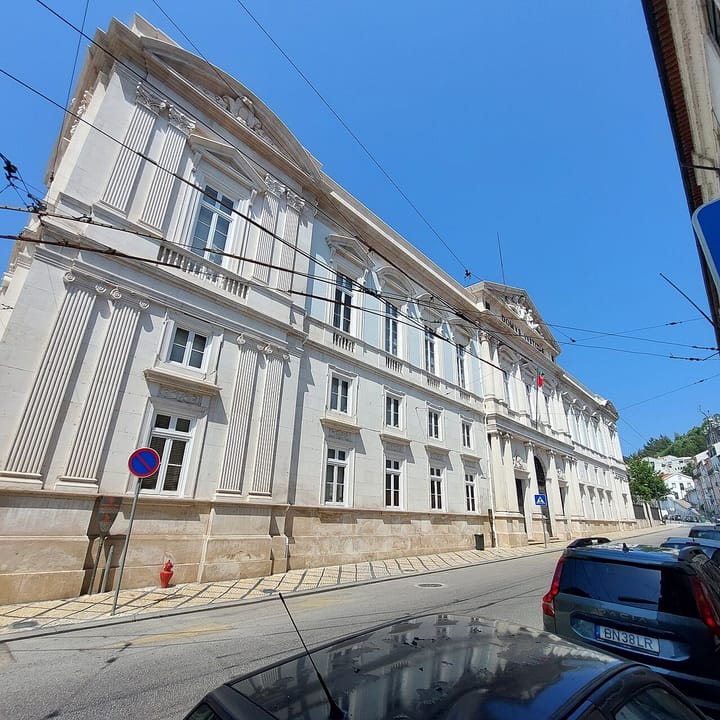
Portugal's interior cities offer the lowest cost of living while maintaining urban amenities. Braga and Coimbra have universities, cultural life, and healthcare infrastructure. Évora and Viseu are quieter but livable.
Budget: €700–€1,100/month
Comfortable: €1,400–€1,900/month
Premium: €2,200–€3,200/month
Rent in Braga or Coimbra for a one-bedroom flat in the city center: €600–€800. That's half of Lisbon. Groceries, utilities, and dining out are also 10–15% cheaper. The trade-off: fewer international flights, smaller expat communities, and limited English-language services.
Hidden Costs Expats Underestimate
Annual property taxes: If you buy, budget €300–€1,200/year for IMI (property tax), depending on cadastral value.
Residency costs: Initial visa applications (D7, D8): €90–€180. Residency card renewals every 1–2 years: €72. SEF/AIMA appointments often require travel.
Healthcare: SNS is free at point of use for residents, but many expats buy private insurance (€50–€250/month depending on age and coverage) to avoid wait times.
International schools: Lisbon and Porto have British, French, and American curricula schools costing €8,000–€20,000/year per child. Not included in budgets above—add accordingly.
Home visits: If you're from the UK, US, or elsewhere, budget €500–€2,000/year for flights home. Many expats underestimate this recurring cost.
What This Means for Different Expat Profiles
Digital nomads: Interior cities (Braga, Coimbra) offer the best value. €1,200/month gets you comfortable living with savings buffer. Lisbon is viable at €1,600/month if you're disciplined, but Porto's €1,400 sweet spot is more forgiving.
Retirees: If your UK or US pension is €2,000–€2,500/month, you can live comfortably in Porto, the Algarve interior, or Braga. Lisbon will stretch that budget unless you downsize to a studio or outer neighborhoods.
Families: International school costs change the math entirely. Budget an extra €1,500–€3,000/month per child if you're avoiding Portuguese state schools. Lisbon and Porto have the most options; smaller cities may require boarding elsewhere.
Remote workers: If you're earning €3,000–€5,000/month from a US/UK/EU employer, Portugal is highly livable. Lisbon and Porto premium tier (€3,500–€4,500/month) leaves room for savings. Interior cities let you bank serious money while living well.
The Honest Takeaway
Portugal is affordable compared to London, Paris, or New York—but it's not Southeast Asia. Lisbon rents rival mid-tier US cities. Porto is closer to regional UK pricing. The real bargain is the interior, but you trade cultural density and convenience for cost savings.
If you're moving here, run your own numbers using these frameworks. Portugal rewards those who plan; it punishes those who assume "cheap Europe" still exists in 2026.
Related reading: Importing a Car to Portugal in 2026: ISV Vehicle Tax, IUC Annual Road Tax, Matrícula Plates, and the 185-Day Change-of-Residence Exemption
Related reading: Fishermen and Albufeira's Mayor Form a Human Chain Against the €108M PRR Desalination Plant