Chega Files a Comissão Parlamentar de Inquérito to the Operação Influencer on Monday — Ventura Wants António Costa and His Former Ministers Summoned After a New PJ Wiretap on the Sines Data Centre
Chega tables a comissão parlamentar de inquérito to the Operação Influencer on Monday 5 May. Ventura wants ex-PM Costa and his ministers summoned after a new PJ wiretap of a Christmas Eve 2022 call on the Sines data centre. Chega's 60 seats clear the one-fifth potestative threshold.
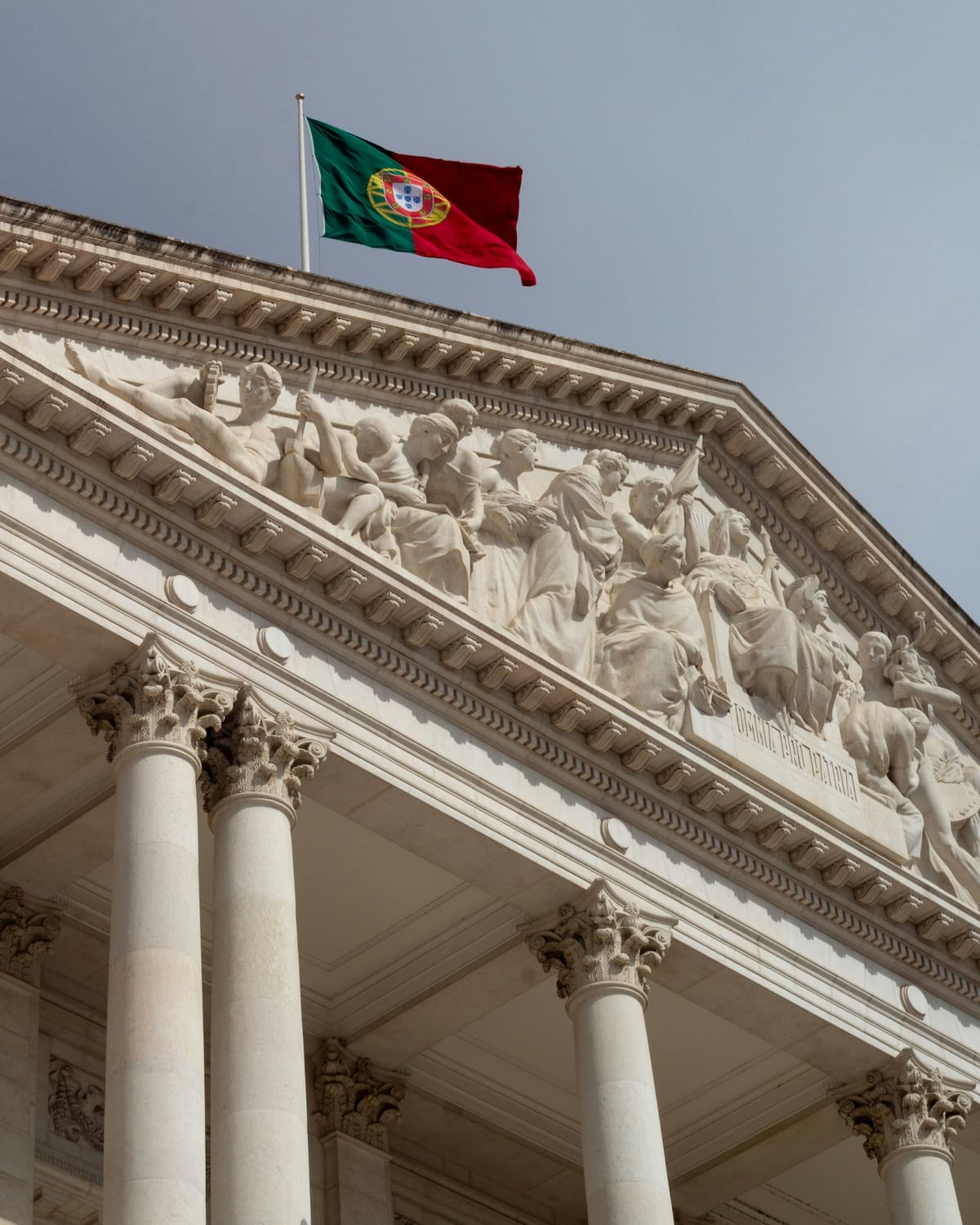
Chega leader André Ventura announced from the party's Lisbon headquarters on Thursday 1 May that the bench will formally table a requerimento for a comissão parlamentar de inquérito into the Operação Influencer on Monday 5 May, with the explicit goal of summoning former Prime Minister António Costa and the ministers and secretaries of state who held the portfolios touched by the case to testify before the Assembleia da República. The trigger is a freshly disclosed Polícia Judiciária wiretap of a Christmas Eve 2022 phone call between Costa and his close associate Diogo Lacerda Machado in which the consultant briefs the then-prime minister on the "extraordinária dinâmica" of the Start Campus data-centre project at Sines — the very file Costa told the country he had never discussed with Lacerda Machado when he stepped down on 7 November 2023.
What Chega is asking for
Per the formal scope previewed by Ventura, the inquiry would not be limited to the data-centre file. The motion will cover the three big economic dossiers that sat under the Operação Influencer umbrella when the Polícia Judiciária searched São Bento and the residences of Costa-era staffers in November 2023 — the lithium concessions in Boticas and Montalegre, the green-hydrogen call at Sines, and the Sines 4.0 data-centre project run by the Start Campus / Davidson Kempner / Pioneer Point Partners consortium. The remit, as Ventura framed it, is the "verificação de actos de corrupção no último Governo de António Costa" and the "escrutínio de influências indevidas sobre a exploração desses negócios." Beyond Costa himself, the witness list Chega has signalled it will draft includes ex-ministers and secretaries of state with direct or indirect responsibility over the affected portfolios, plus the private-sector intermediaries the wiretaps have placed inside the chain — among them Lacerda Machado.
The new wiretap and why it matters
The political accelerant for this move is not the original 7 November 2023 raids — those have been in the public domain for eighteen months — but the more recent CNN Portugal / TVI disclosure of the Christmas Eve 2022 audio. In that recording, Lacerda Machado calls Costa to brief him on what he describes as the "extraordinary dynamic" of the Sines project, days before a key government decision on the data-centre file. The substance of the call directly contradicts the line Costa held on the night of his resignation, when he said he had never spoken with Lacerda Machado about the Start Campus dossier. Costa remains under formal investigation by the Departamento Central de Investigação e Acção Penal (DCIAP) but has not been constituted arguido, which means he has no procedural access to the case file, and he is now serving as President of the European Council in Brussels — a posting that complicates any attempt to compel his attendance in Lisbon. The wiretap reopens the political costs of the file in a way the still-pending judicial track on its own had not.
Why a CPI is a separate track from the criminal case
Comissões parlamentares de inquérito are governed by Lei n.º 5/93, the regime jurídico dos inquéritos parlamentares, and operate on a parallel rail to the criminal investigation: they can summon witnesses, take sworn statements, request documents and produce a final report with political conclusions and recommendations, but they cannot indict or convict. Most importantly, under Article 178 of the Constitution and the implementing law, an inquiry is obrigatoriamente constituída whenever it is requested by one-fifth of the deputies in active service — 46 of the 230 seats — which is what makes the procedure potestativa, a minority right that majorities cannot block. With 60 deputies in the current XVII Legislature, Chega clears the threshold on its own. Ventura nonetheless told reporters he hopes the motion can be "approved consensually" first, and pointedly asked the parties that backed an inquiry into Prime Minister Luís Montenegro's family company Spinumviva to vote favourably here — a calculated jab framing any refusal as inconsistent with their position on the Spinumviva transparency battle.
The procedural calendar
If the requerimento is tabled on Monday 5 May, the conference of leaders will schedule it for plenary debate, and a vote is expected within two to three weeks. A consensual approval lets the parties negotiate the composition, the chair and the witness list collectively; a potestative constitution forced by Chega's bench alone hands the agenda-setting initiative to the proposing party while still allowing the other groups to nominate members proportional to their seat share. Either way, the inquiry is unlikely to begin substantive hearings before late May or early June — and that puts its working calendar on a direct collision course with the mid-July parliamentary recess deadline for the Pacote Laboral and the four PRR reforms, plus the CGTP general strike on 3 June. The political bandwidth for a high-profile inquiry into a former Socialist government will compete with the Montenegro government's own legislative push.
The Costa problem
The single biggest practical question is whether Costa would actually appear. As President of the European Council he holds an EU institutional office, not a Portuguese one, and the Constitution does not give a national parliamentary inquiry the power to compel a sitting EU office-holder. Past CPIs have negotiated voluntary appearances from ex-prime ministers — including Pedro Passos Coelho on the Banif file and José Sócrates on BES — and Costa would face significant political pressure not to refuse outright. But a refusal, or a written-only response, would itself become a Chega talking point and the structural risk for the PS bench is that the inquiry produces months of headlines built around an empty witness chair.
The Chega pattern
Monday's motion fits a now-recurring Chega tactic of using parliamentary instruments to keep executive-accountability questions in the public eye between elections. The bench has already used the audição route to summon Bank of Portugal Governor Álvaro Santos Pereira to the Assembleia over the Centeno-era retirement-package decisions, has pushed for procedural inquiries into the Spinumviva file, and has consistently framed corruption as the dominant axis of its parliamentary work even when the policy-of-the-day is labour reform or the Programa de Estabilidade. The Operação Influencer CPI extends that pattern to the legacy of the previous Socialist government and ties a former two-term prime minister to an open judicial file that has not yet produced indictments.
What this means for foreign residents
- Government-attention bandwidth: Watch for the inquiry to compete with the labour and PRR reform calendar for floor time. If Pacote Laboral and the four PRR reforms slip past the mid-July recess, a chunk of the €1.5 billion the National Monitoring Commission has flagged at risk is exposed. The CPI is one more crowding-out factor on the legislative calendar.
- Sines file optics: The Sines 4.0 / Start Campus data centre is the largest single foreign direct investment landed in Portugal in the past decade, anchored by US private capital. A months-long inquiry will revisit every public-sector decision behind the project; expect the Lisbon investment-promotion narrative to absorb collateral damage, particularly with international press cycles already covering the file under the "Sines 4.0" tag.
- Political risk read for residents: The inquiry is procedural, not destabilising — Portugal's institutional architecture is designed to absorb parallel parliamentary and judicial tracks without affecting governance continuity. The Montenegro government's working majority is unaffected; the inquiry targets the previous PS administration, not the current one.
- Practical tracking: Plenary debate dates and witness summons publish on parlamento.pt; the votação aggregator at votacoes.pt mirrors them. Inquiry hearings are televised live on the Canal Parlamento channel, which is on cable bundles under the public-service tier and free-to-air on TDT channel 11.
The PS bench has not yet issued a formal position on the motion as of Friday afternoon. The Iniciativa Liberal and Livre groups, both of which voted with Chega on parts of the Spinumviva inquiry track, are the swing votes if the motion is brought to a non-potestative vote. Whatever route is chosen — consensual approval or minority-forced constitution — the procedural shape will be confirmed within the first week of May, with the first hearings expected before the end of the month. On the MAI / emergency-communications governance side, our 24 May read on the SIRESP governance shock — Secretary-General Adjoint António Pombeiro tendering a second resignation on Friday 22 May after the SIRESP general assembly re-elected General Paulo Viegas Nunes to the presidency, attaching evidence of a 'systematic pattern of ethically reprehensible and legally questionable behaviour' inside the prior management cycle and triggering urgent-hearing requests from PS, Chega and IL sets the latest reference. On the Alentejo heritage, megalithic-archaeology and Évora rural land-use side of the file, our 6 June read on the destruction of two 5,000-year-old antas and a Roman vila at Herdade das Atafonas in Torre de Coelheiros, Évora for a NOGAM walnut plantation — Câmara Municipal de Évora opens an inquérito interno, DRCALEN tutela refers the case to the Ministério Público, with the 2020 Vale da Moura precedent at the same parish framing the recurrence pattern sets the latest reference.