Cerfundão Says the 2026 Cherry Campaign in Fundão Could Hit 1,200-1,300 Tonnes — Almost Double the 700-Tonne 2025 Print as Cold Accumulation, Bloom and Foreign Labour Carry the Cova da Beira Back to a Normal Year
Filipe Costa at Cerfundão says the Cova da Beira's 2026 cherry campaign could reach 1,200-1,300 tonnes — nearly double the 700-tonne 2025 print — after three years of hail and rain damage. Leilão da Cereja lands on 18 May.
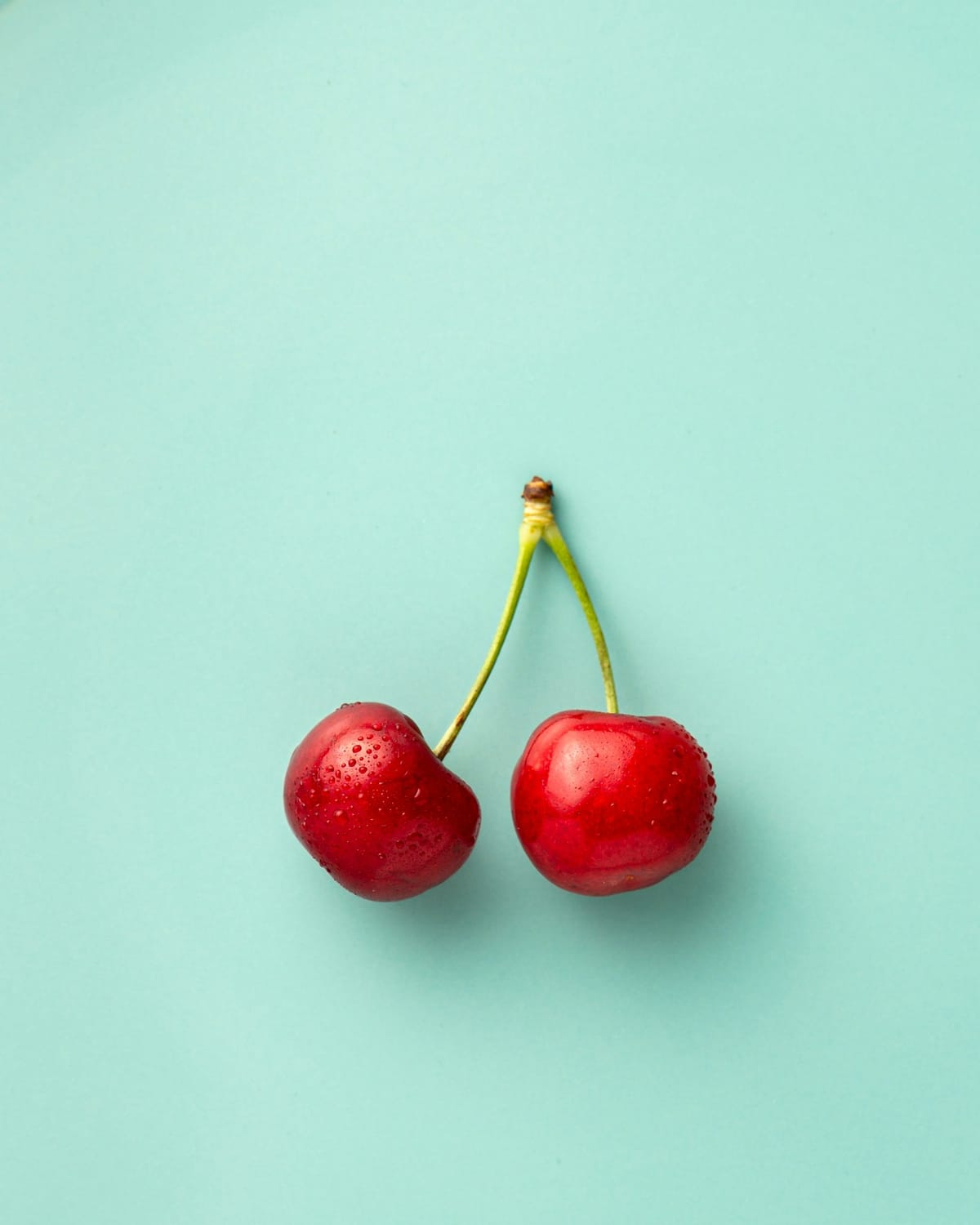
The 2026 cherry campaign in Fundão and the wider Cova da Beira could close at 1,200 to 1,300 tonnes, almost double the roughly 700-tonne print booked in 2025 and a return to what producers call a normal year after three consecutive seasons compressed by hail and untimely rain. The forecast, released this week by Filipe Costa of Cerfundão — the largest local packing-and-commercial cooperative — is the strongest production signal the region has carried since 2022 and arrives just ten days before the symbolic Leilão da Cereja auction in Fundão's main square on Sunday 18 May.
Why the Forecast Walked Up
Costa attributes the 2026 outlook to two technical factors that the previous three campaigns lacked. First, the cold-accumulation phase through January and February delivered the chill-hour count the cherry tree requires for proper bud differentiation — the Cova da Beira's higher-altitude orchards in Alcaide, Telhado and Donas hit the threshold by the second week of February, and the lower-altitude Cova interior caught up by the first week of March. Second, the bloom ran cleanly through the second half of March without the late frosts that wiped out 30-40% of the 2024 fruit set in a single weekend.
The 2023, 2024 and 2025 campaigns each lost between a third and a half of expected production to a combination of hail at the bloom-to-set transition and untimely rain at the maturation phase. The cherry, Costa notes, is extremamente perecível — the fruit splits within hours of intense rain on a ripe canopy and quality drops below the wholesale-grade threshold. The Cerfundão calibração lines downgraded entire pallets last June for that reason.
The Foreign-Labour Reality
The headline production number sits on top of a structural shift the campaign has been absorbing for half a decade. Foreign workers now account for 80-90% of the agricultural workforce in Fundão's cherry orchards, Costa told the local press — a reversal from the pre-Covid baseline where domestic labour was almost the entire complement. The shift has come with a labour-cost increase that producers identify as the largest single line item in the 2026 break-even calculation: harvest is hand-picked, the window is roughly five to six weeks, and replacement labour during a peak-week sickness pulse is essentially impossible.
The composition of that foreign workforce — Nepali, Bangladeshi and increasingly Filipino contingents replacing the earlier Romanian and Bulgarian flows — sits inside the same AIMA-residence-and-work-permit system the government tightened in early 2026, with the new pre-departure consular visa requirement for study residence already raising operational questions for the agricultural-permit track that runs in parallel.
The Risk That Hasn't Closed
The forecast carries a near-term weather risk attached. The IPMA's Friday warning carries yellow rain alerts across fourteen districts including Castelo Branco through the weekend, and Costa flagged that the rain forecast for the next several days could trigger fendilhamento — the splitting that destroys grade — in the earliest-ripening varieties already approaching harvest in the lower-altitude Cova da Beira plots. Burlat, Early Bigi and the early Sweetheart selections are the exposed cohort; the larger-volume Lapins and the late Sweetheart blocks are still two to three weeks from the splitting-risk window.
The Leilão da Cereja and the Price Signal
Fundão's Leilão da Cereja, the symbolic opening of the campaign, is scheduled for Sunday 18 May 2026 in the Praça do Município. Last year's leilão saw a single 33-fruit caixa cross €600 at the gavel — the symbolic premium that anchors the local marketing narrative more than the wholesale-price reality. The wholesale-grade cherry typically prices at €3-5 per kilogram at the producer level for the bulk lines, with the Cereja do Fundão IGP-protected designation carrying a 15-25% premium against unprotected fruit shipped from Spanish or Greek origin.
What This Means for Foreign Residents
- If you live in or visit central Portugal: the 18 May leilão is the high-visibility event; the supermarket-grade Cereja do Fundão IGP fruit lands in Lisbon and Porto retail through the last week of May.
- If you watch agricultural exports: roughly 60% of the Cova da Beira fruit is shipped, with the UK, Germany and the Netherlands as the destination cluster — the doubling in volume should bring 2026's export print materially above the 2025 line, weather permitting.
- If you have orchard exposure: the next 14 days of weather are the campaign-defining window — fendilhamento risk drops sharply once the early varieties are off the tree by the third week of May.
The Cerfundão calibração lines open on 12 May for early-variety intake.