Centromarca Reads Portuguese Supermarket Spending Up €486 Per Household Since 2019 — Worldpanel Panel of 4,000 Households Prints €2,193 in 2025 Against €1,707 in 2019, a 28.5% Lift That Outruns the €418 Wage Increase
The Portuguese household grocery bill is now €486 a year heavier than it was in 2019, according to the Worldpanel by Numerator panel of 4,000 Continental Portugal households commissioned by Centromarca, the country's branded-goods association. The...
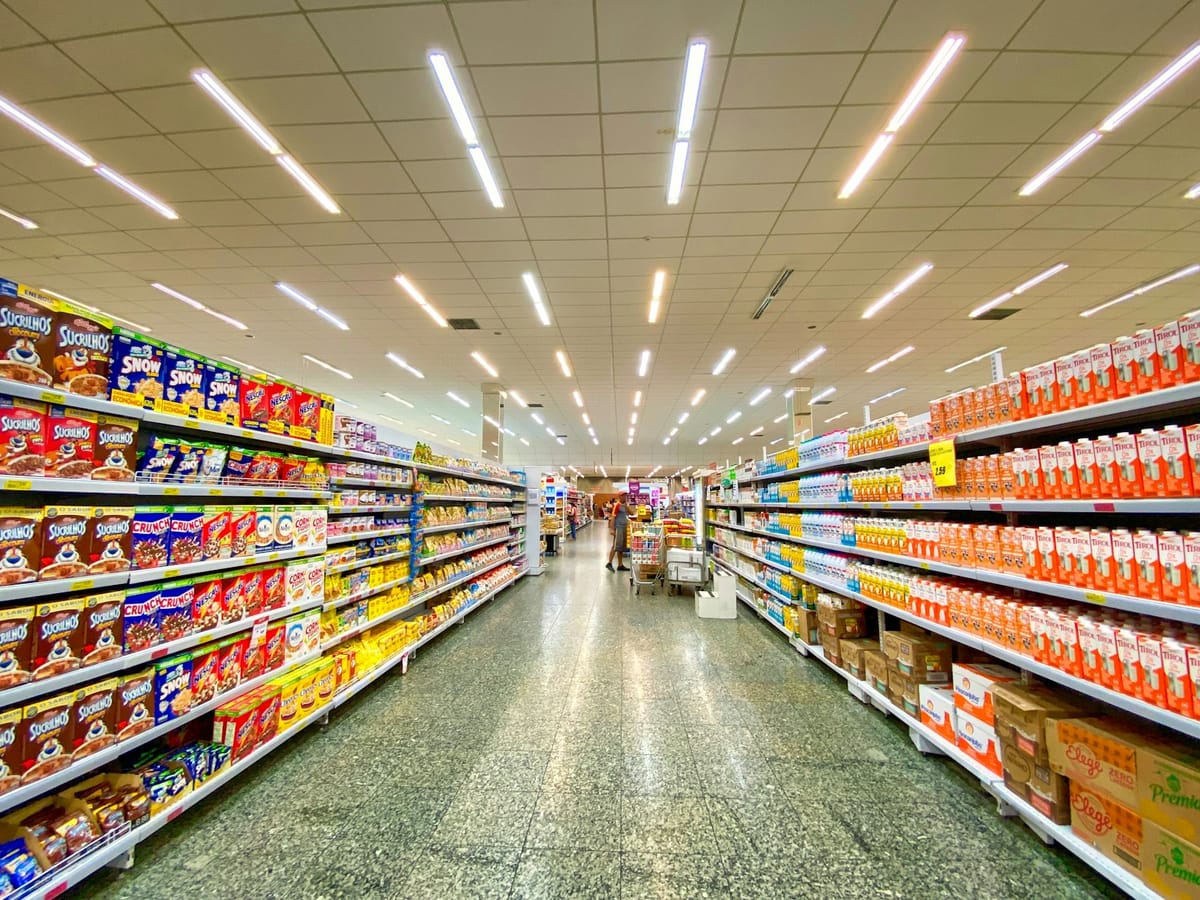
The Portuguese household grocery bill is now €486 a year heavier than it was in 2019, according to the Worldpanel by Numerator panel of 4,000 Continental Portugal households commissioned by Centromarca, the country's branded-goods association. The 2025 print of €2,193 per household compares with €1,707 in 2019, a nominal 28.5% lift over six years. Stripped to gross-salary growth across the same window, household earnings rose €418 — meaning supermarket spending has outrun pay by roughly €68 per household per year, before the second-order effects of housing, energy and transport costs kick in.
The real-terms picture is worse
Centromarca published a stress test against accumulated CPI through Q1 2026: had the 2019 spending pattern held volume but tracked inflation, the 2025 print would have hit €2,625 — implying that Portuguese households have absorbed roughly €432 of the inflation hit through behavioural change rather than wallet capacity. The gap is the size of the consumer-side adjustment that has been masking the headline inflation pass-through into food retail, and it is the part Centromarca and the brand-side of the Portuguese FMCG market have been increasingly worried about because it is reaching the point where category contraction becomes structural.
How households are absorbing the squeeze
Worldpanel reports four behavioural changes consistent with the macro pattern. Trip frequency is up — households are making more shopping runs but spending less per visit. Pantry depth is down — people are storing fewer items at home and replenishing closer to consumption, which transfers inventory cost back to retailers. Category focus is narrowing — discretionary categories are losing share to essentials. And brand preference has hardened around "trust anchors" — established names that consumers fall back on for unplanned purchases, even at a price premium, because they reduce decision cost. The fourth point is the one Centromarca uses to argue that the brand premium is still defensible, against a private-label tide that has been the main competing reading of Portugal's grocery-retail story.
The sectoral context
Portugal's food-and-non-alcoholic-beverage weight in the household basket sits well above the eurozone median, a structural feature that has amplified the inflation hit through 2022-2025. Housing, energy, transport and food are the four lines that absorb the bulk of household discretionary income, and food is the one category where consumers have day-to-day adjustment authority. The Centromarca message is that the weight of supermarkets in Portuguese household budgets has now become a stand-alone macro variable: "families are not confident in the economy for the next 12 months and are adapting consumption habits."
What it implies for the Q2 retail tape
Jerónimo Martins reported earlier this week a 6.8% Q1 net-profit drop driven in part by Pingo Doce out-margins compressing, and Sonae MC's grocery print is widely expected to read in the same direction when the Q1 results land later this month. The Centromarca reading aligns with both: trade-down behaviour is real, basket size is shrinking, and the margin pressure is on the retailer side as much as the consumer side. The political read — three weeks out from the CGTP general strike on 3 June and inside the cabaz alimentar conversation that has been running since the IMF Article IV mission — is that the household-budget squeeze is now on the front page in a way it has not been since the 2023 inflation peak.
Sources: Worldpanel by Numerator panel data (through 22 March 2026); Centromarca commentary; Notícias ao Minuto; eurostat HICP food sub-index for Portugal.