BA Glass Closes Its First North African Deal — Vila Nova de Gaia Group Takes 41% of Tunisia's Sotuver Through Its Dutch Holding, Adding a 650-Worker Plant Outside Tunis to a 13-Factory European-and-Mexican Footprint
Vila Nova de Gaia's BA Glass has closed its first North African deal — 41% of Tunisia's Sotuver via Dutch holding BA Glass B.V. Tunis CMF cleared the transfer on 2 April, after Commerce Ministry approval 4 March. The 650-worker Khelidia plant joins a 13-factory €1.5bn footprint.
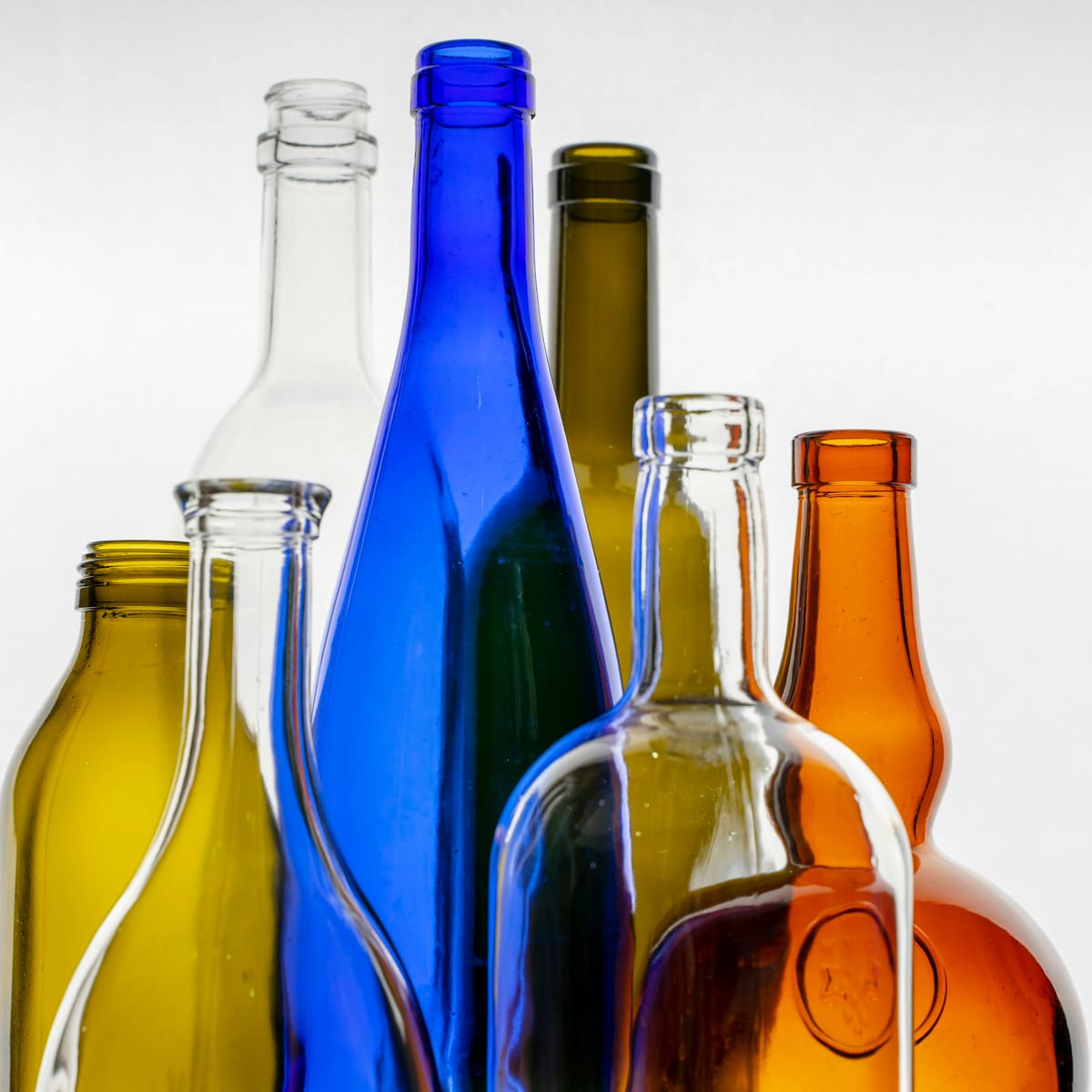
The container-glass group BA Glass — headquartered in Avintes, Vila Nova de Gaia, with about €1.5 billion in revenue, 5,000-plus employees, 13 factories and five recycling units across Portugal, Spain, the United Kingdom and Mexico — has closed its first acquisition in North Africa. Saturday's Jornal de Negócios reportage and the underlying public approvals from the Tunisian regulators put the structure in plain view: BA Glass, acting through its Dutch holding company BA Glass B.V., has taken a 41% stake in Société Tunisienne de Verreries (Sotuver), the listed Tunisian glass-packaging producer whose 650-worker plant sits at Khelidia, about 30 kilometres outside Tunis.
The transaction sequence — initial notification in March 2025, project submission to Tunisia's Competition Council in late September 2025, Ministry of Commerce approval on 4 March 2026 and Tunisian Stock Market Council (Conseil du Marché Financier, CMF) authorisation on 2 April 2026 — closes a fourteen-month regulatory file. The CMF approved the transfer of 16,204,636 shares, representing the 41% capital tranche. The Bayahi Group, Sotuver's controlling shareholder, retains a stake of comparable size and keeps operational control through the General Manager seat; the remainder of Sotuver capital floats on the Bourse de Tunis. The deal is being framed by both sides as a strategic partnership rather than an outright acquisition.
What BA Glass Is Buying
Sotuver's commercial profile fits the container-glass scale that BA Glass operates at across its existing European footprint. The Khelidia plant produces glass bottles and jars for food, beverage and pharmaceutical customers across Tunisia, the wider Maghreb, sub-Saharan Africa and parts of southern Europe. Nine-month 2025 revenues, per the Tunis listing disclosures, ran at TND 81.8 million (about US$27.9 million) on a 7% growth print. The plant gives BA Glass a Mediterranean industrial hub with proximity to European customer ports, a North African labour-cost base, and a documented export book into West African and Middle Eastern markets that the Vila Nova de Gaia group has not previously serviced from its own furnaces.
What BA Glass Already Operates
The pre-deal footprint is a six-country, 13-furnace operation. The Portuguese core spans Avintes (Vila Nova de Gaia, headquarters and original 1912 Barbosa & Almeida site), Marinha Grande in the Leiria district and additional capacity built or acquired through the group's two-decade consolidation. The Spanish footprint covers plants picked up through the integration of Vidrala-era assets and earlier Iberian consolidation. The UK plant came in through the 2017 Quinn Glass / United Glass deal trail. The Mexican plant — the group's only pre-Sotuver non-European factory — sits in the export-oriented Pacific cluster and supplies North American beverage customers. The five recycling units feed cullet back into the main furnaces; container-glass economics depend on cullet share running above 50% to keep furnace gas burn and CO2 footprint inside European-permit envelopes.
The Strategic Rationale
BA Glass CEO Tiago Moreira da Silva framed the rationale on closing as a market-access play: 'Tunisia offers a unique combination of talent, infrastructure, and strategic location, making it an ideal gateway to African markets.' Sotuver CEO Khaled Bayahi mirrored the framing on the Tunisian side: 'This collaboration opens new horizons for Sotuver and reinforces the shared commitment to innovation and excellence.' Behind the language, the operational logic runs three ways: BA Glass plugs Sotuver into its glass-forming-technology stack and into its raw-material purchasing scale (silica sand, soda ash, cullet); Sotuver gets balance-sheet headroom to fund furnace modernisation; and the partnership creates a Mediterranean glass-packaging axis that runs from Marinha Grande through Iberian capacity and into Khelidia for the southern shore. The retained Bayahi stake and the kept General Manager seat keep local-investor and Tunisian-state-relations continuity intact.
What This Doesn't Change in Portugal
The Avintes and Marinha Grande furnaces are not affected by the deal. Container-glass plants of the scale BA Glass operates run at a near-permanent capacity ceiling — bottle-and-jar demand from Iberian wine, beer, mineral-water and food-jar customers is the binding constraint, not labour, and the Khelidia capacity is incremental rather than substitutionary. The Marinha Grande cluster — host to BA Glass and to several specialty-glass groups including the Crisal-Vidrala-Saint-Gobain-related operations and the ARC International perimeter — sits inside the broader Leiria-district industrial-glass footprint that has held its workforce roughly stable through the past three years, even as the Portuguese auto-glass and flat-glass perimeter contracted. The Tunis acquisition expands the group's revenue base and customer perimeter without pulling Portuguese furnace capacity out.
The Wider Outbound-M&A Picture
BA Glass's Khelidia move sits inside a broader 2026 pattern of Portuguese industrial outbound deals targeting Mediterranean and Brazilian assets. Teixeira Duarte's 2025 results disclosed earlier this week pointed to a €1.6-billion order book pulled increasingly from international sites; the LusoLAV consortium's high-speed-rail bid set a domestic-construction floor at the same time. Galp's Q1 results pointed to a Moeve gas-trading restructure that runs through a similar capital-allocation logic — Iberian operating margins are rebuilding, but growth lives at the Mediterranean and Atlantic peripheries rather than at home. The Sotuver deal is not the largest of these — Negócios's Saturday read is at the upper end of European container-glass minority deals but well below the headline-deal scale of the rail or banking files — but it is one of the cleanest of 2026 in shape: a single regulatory file across two jurisdictions, a defined operational hand-off, and a kept local partner.
For Foreign Residents and Investors
BA Glass is not listed on the Lisbon exchange — it has been privately held since the 2007 take-private led by the founding Silva family — so the deal does not show up on the PSI tape. Sotuver is listed on the Bourse de Tunis (TUNINDEX); the 41% stake transfer prices off Tunisian-bourse share-class mechanics rather than European-exchange reference. For Portuguese employment exposure, the relevant footprint to track remains Avintes and Marinha Grande: the same Leiria-glass cluster that has carried the group's R&D and furnace-design IP for the past decade. For the Tunisian end of the deal, the Khelidia integration is scheduled across the Q2-Q3 2026 window per the regulatory filings; closing conditions remaining at the time of CMF approval related to standard customer-and-supplier consents rather than to further regulatory hurdles. Bayahi's retained stake and operational control mean the Tunisian payroll, the local supplier book and the existing customer perimeter run unchanged through the integration year.