António Costa Opens an Unofficial Kremlin Back Channel as European Council President — Top Adviser Logs Two Calls With a Putin-Linked Russian Official as EU Leaders Split Over the Surprise Outreach
Portugal's former prime minister António Costa, now in his second year as president of the European Council, has spent the last week handling the most significant foreign-policy storm of his Brussels mandate. Bloomberg reported on 17 June 2026 that...
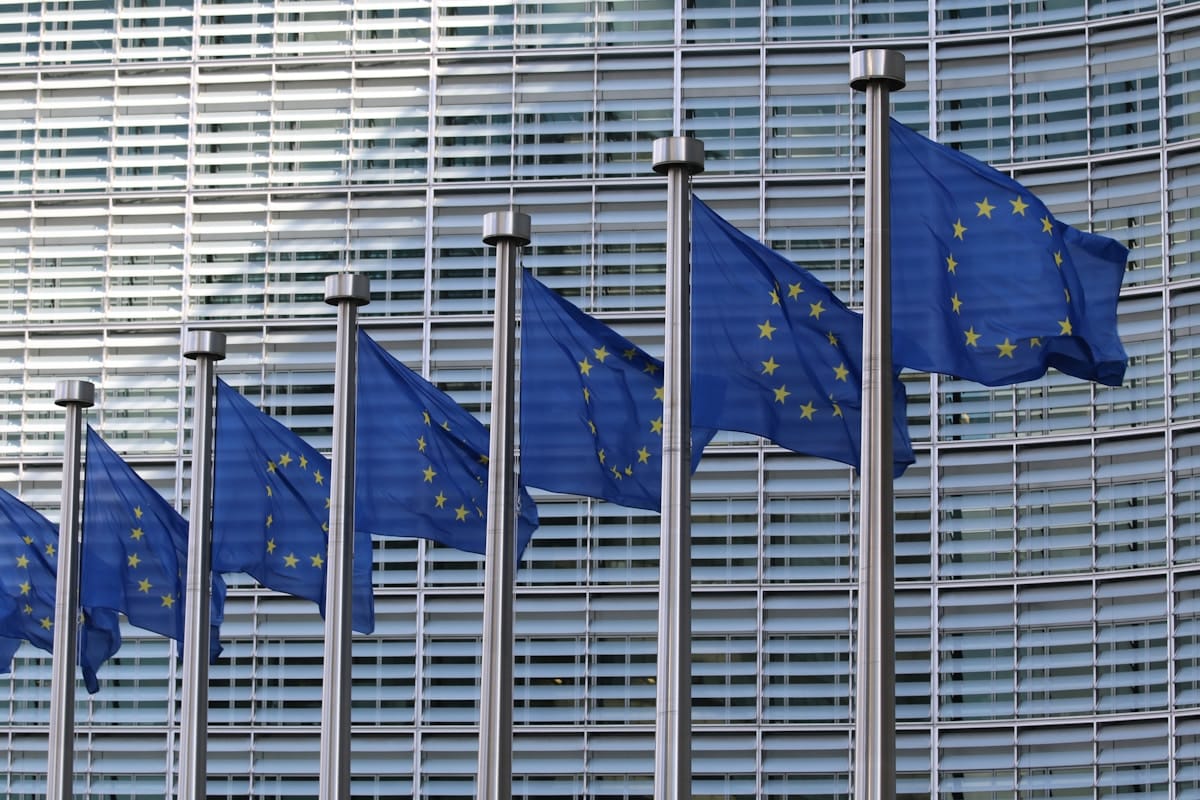
Portugal's former prime minister António Costa, now in his second year as president of the European Council, has spent the last week handling the most significant foreign-policy storm of his Brussels mandate. Bloomberg reported on 17 June 2026 that Costa's top adviser had held two telephone calls with a senior Russian official close to Vladimir Putin, opening what European officials are now describing as an unofficial Kremlin back channel. Costa confirmed the existence of the contacts at an EU leaders' summit on 19 June, framing them as exploratory groundwork rather than mediation — but Berlin, Paris and several Nordic and Baltic capitals have already made clear they did not authorise the outreach and learned about it the same way Portuguese readers did, through the news.
What Costa actually did
The Bloomberg account, since echoed by Reuters, Euronews and Portuguese outlet Expresso, describes a narrow operation. Costa's chief diplomatic adviser placed two calls to a senior Kremlin official described as close to Putin. The conversations were brief, did not exchange substantive negotiating positions, and were framed by Costa's team as an attempt to assess whether the conditions exist for peace talks on Russia's war in Ukraine. Costa's office concluded — at least for now — that those conditions are not in place.
That is a more cautious mission statement than the headline suggests. Costa's stated aim was not to open a parallel negotiating track to the US-led process, which has produced little movement in 2026, and not to position himself as a mediator. The framing inside the European Council presidency is closer to contingency planning: be ready, with a working line into the Kremlin, the day European interests need to be defended at a negotiating table that currently only involves Washington and Moscow.
The Expresso angle: a Portuguese at the table
Lisbon's Expresso added a wrinkle on 20 June that the international wires had not led with. According to Expresso's reporting, Costa has signalled he is personally available to represent the European Union at the negotiating table if and when one is convened. That is a notable escalation of the Portuguese reading of the story: it places a former Portuguese prime minister on a shortlist of European figures who could end up sitting opposite Moscow's negotiators on behalf of the bloc — a profile Portugal has not held in modern EU diplomacy.
For Portuguese readers, the symbolism is hard to overstate. Costa governed the country between 2015 and 2024 before leaving São Bento under the cloud of Operação Influencer. His appointment to the European Council presidency at the end of 2024 was already a generational diplomatic step for Lisbon. Slotting Portugal's most senior EU figure into a potential Ukraine-related shuttle role pushes Portuguese influence into a policy arena — relations with Russia — where the country has historically been a small voice inside larger alliances.
The EU split — and why it matters
The political problem for Costa is procedural as much as substantive. The European Council presidency does not carry an independent mandate to open diplomatic channels with hostile powers. EU leaders set Russia policy collectively, and several of them — including German chancellor Friedrich Merz, French president Emmanuel Macron and a cluster of Nordic and Baltic prime ministers — have spent 2025 and 2026 arguing that pressure, sanctions tightening and military aid to Ukraine should precede any structured contact with Moscow.
According to diplomatic accounts collected by Yahoo News and Bloomberg, several capitals only found out about the calls through Bloomberg's 17 June scoop. One diplomat from a major European country told reporters that Costa's office had not coordinated with member states and had no mandate to launch the contacts. The Euronews account of the 19 June summit captured Costa defending the initiative as "brief contacts with no exchange on substance and no negotiations," designed to prepare the ground rather than to negotiate.
Not every leader pushed back. Ireland's Taoiseach Micheál Martin defended Costa publicly, arguing that the European Council president is a logical figure to hold a working channel to Moscow on behalf of the bloc, and that having such a line open is prudent rather than reckless. That divide — broadly the Franco-German-Nordic-Baltic bloc on one side, a smaller group of mostly southern and Atlantic-facing capitals on the other — is now likely to define the next round of internal EU debates about how the bloc engages a future negotiation.
What it means for Portugal
The most immediate domestic read is reputational. Costa is the most prominent Portuguese figure in EU politics, and how his Kremlin outreach lands in Berlin and Paris will shape how much running room he has on the rest of his agenda — enlargement, the next Multiannual Financial Framework, defence-industrial integration. A Portuguese government led by Luís Montenegro has so far avoided commenting publicly on the substance of Costa's calls, but Lisbon will be watching the temperature in Brussels carefully.
For Portuguese readers tracking EU politics, three things are worth keeping an eye on over the next few weeks. First, whether Costa's office releases any structured account of the calls beyond the on-record defence offered at the 19 June summit. Second, whether other EU capitals demand a written framework for any future contact with Moscow that goes through the Council presidency. And third, whether Costa's offer to personally represent the EU at a hypothetical negotiating table, as reported by Expresso, draws either a formal endorsement or a quiet veto from the bigger capitals. Each of those signals will indicate how much of a turning point this week has been for the way Brussels — and a Portuguese-led Council presidency — handles Russia from here.