A Venomous Chilean Recluse Spider Turns Up in Porto, a First for the Iberian Peninsula
The Chilean recluse (Loxosceles laeta), whose bite can cause necrotic skin lesions, has been recorded in Porto — the first for Portugal and the Iberian Peninsula. Researchers stress the shy spider poses a low risk to the public.
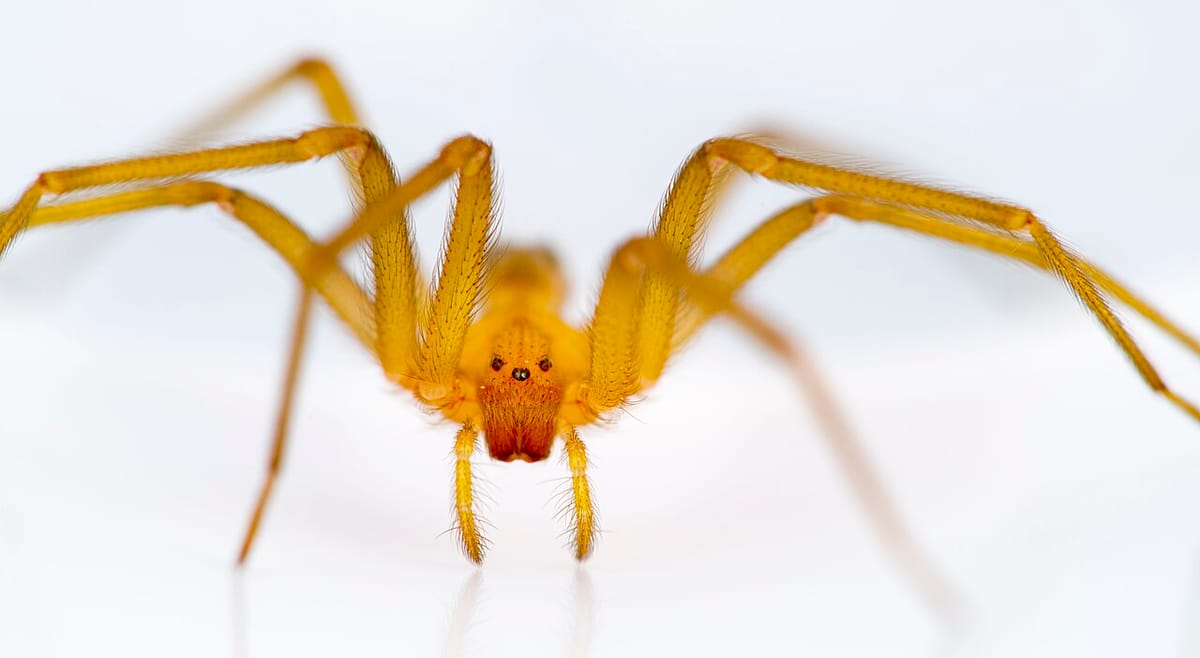
A venomous spider never before recorded in Portugal — or anywhere on the Iberian Peninsula — has been identified in Porto. The Chilean recluse (Loxosceles laeta), a species whose bite can cause serious skin damage, was documented in the northern city, though specialists stress the risk to the public is low.
The first specimen was found in Porto on 10 September 2025, with a second confirmed on 10 January 2026. Both were males. The findings were documented by researchers Francisco Gil and José Manuel Grosso-Silva, marking the first record of the species not just in Portugal but across the Iberian Peninsula.
How dangerous is it?
The Chilean recluse is regarded as one of the more medically significant recluse spiders. Its bite can trigger loxoscelism — a venom-induced reaction that frequently produces necrotic skin lesions. But researchers are keen to temper alarm: the spider is described as shy and disinclined to bite, and "the probability of people encountering this species or being bitten by it is reduced."
The newcomer can be confused with the Mediterranean recluse (Loxosceles rufescens), a related species that has lived in Portugal for around 200 years. That spider is already responsible for the occasional serious case: three years ago, a 48-year-old woman developed loxoscelism after a bite, suffering necrotic lesions before making a full recovery.
An open question
Researchers cannot yet say whether the Chilean recluse is confined to Porto or has spread more widely. Recluse spiders are notorious hitchhikers, often travelling in cargo and personal belongings, which is how the species — native to South America — is thought to have reached Europe. Confirming whether a breeding population has established itself will require further monitoring.
What this means for residents
- Don't panic: Encounters are rare and bites rarer still; recluse spiders are not aggressive and bite only when trapped against skin.
- Basic precautions: Shake out shoes, gloves and clothing left in garages, cellars or storage, where recluse spiders prefer dark, undisturbed spaces.
- If bitten: Seek medical attention if a bite develops into an expanding, darkening or ulcerating wound, and describe the spider if you can — early care improves outcomes in loxoscelism.
For now, the discovery is more significant for science than for public safety: a marker of how global trade quietly reshuffles which species turn up on Portuguese soil, and a prompt for entomologists to keep watch on the country's expanding cast of arachnids.