A State Commission Recommends Recosting Portugal's 4,300 Public Fees to Reflect Real Costs
A government commission wants every one of Portugal's roughly 4,300 state fees recalculated to reflect the real cost of the service behind it. The report, presented at the Finance Ministry, opens a debate on reforming charges that are often outdated.
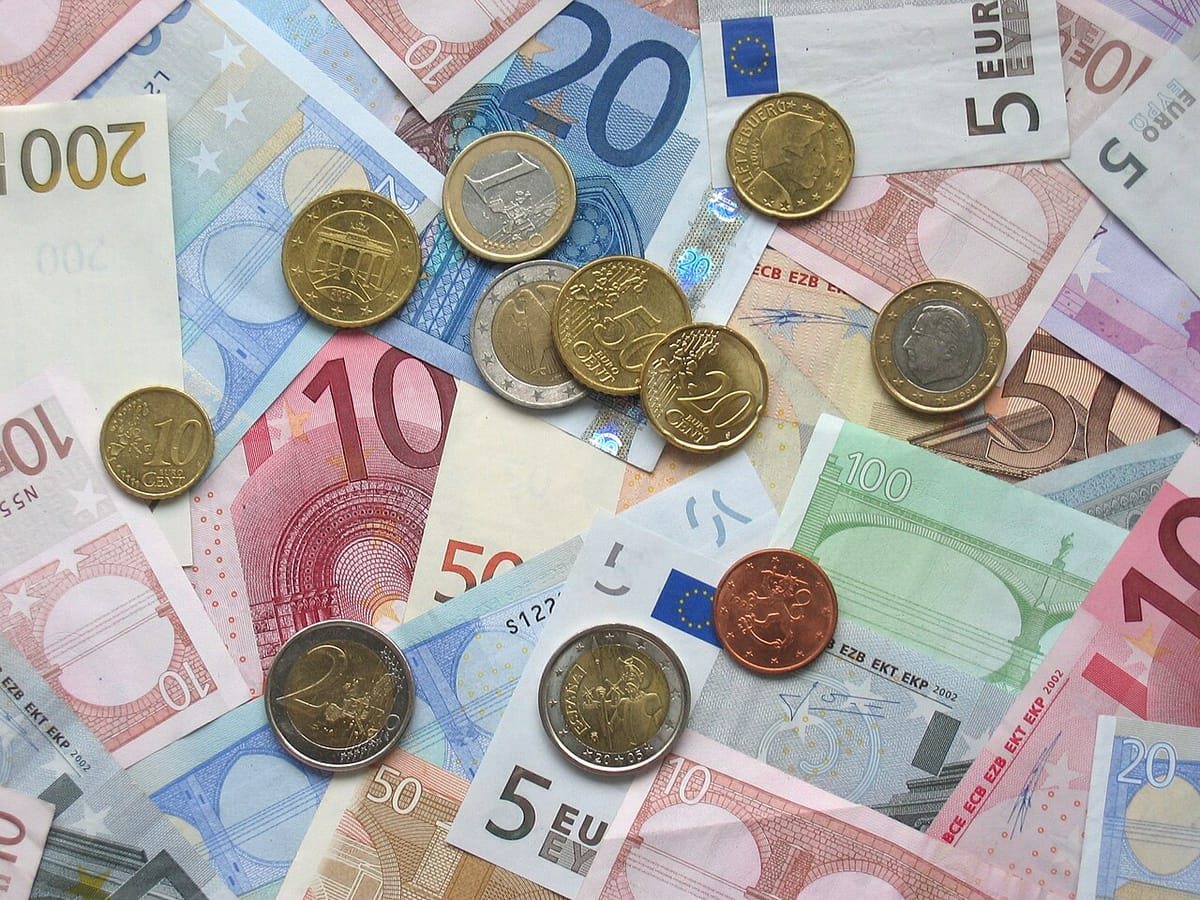
Portugal collects thousands of small charges every day — for a licence, a certificate, an inspection, a stamp — and most of them, a government-appointed commission now argues, are priced with little relation to what they actually cost. In a report presented on Tuesday at the Ministry of Finance (Ministério das Finanças), the panel tasked with drafting a General Regime of Administrative Fees (Regime Geral das Taxas da Administração Pública) proposed that every state fee be recalculated to reflect the real people and materials used to provide the service behind it.
The idea is to replace a sprawling, inconsistent patchwork with a single coherent framework. Under the commission's blueprint, each fee would need a clear justification, would have to correspond to a genuine service rendered, and would be set using transparent criteria that respect the rights of the citizen or business paying it. The report was unveiled in the Noble Hall of the ministry by two of the commission's members, the jurist Suzana Tavares da Silva and the economist Pedro Brinca.
Thousands of fees, many out of date
The scale of the problem is considerable. A 2020 study by the business confederation CIP (Confederação Empresarial de Portugal) counted roughly 4,300 separate fees across the state, some 2,900 of them in the central administration alone. Finance Minister Joaquim Miranda Sarmento told the audience that many of the underlying tables are simply outdated, fixed years ago without reference to cost — an arrangement that, he argued, generates expense and uncertainty for citizens, companies and the State itself.
Crucially, the commission insists this is reform "without ruptures." It heard 175 entities during its work and did not, in the minister's telling, start from a blank page or with a predetermined answer. The report is being cast as the opening of a debate rather than its conclusion, with a period of reflection and refinement to follow before any legislation is drafted.
What it could mean for residents and businesses
- Fairer, clearer charges. Fees tied to real costs should end situations where an administrative act costs far more — or far less — than the work it involves.
- Some fees may rise. Charges long frozen below cost could increase once recalculated, even as others fall.
- Fewer nasty surprises. Transparent criteria would make it easier to understand, and challenge, what the State is charging and why.
For newcomers wrestling with Portugal's famously dense bureaucracy, a rulebook that forces the State to justify each charge could eventually make dealings with public bodies more predictable. But the commission's own caution is telling: with thousands of fees on the books and 175 interested parties already consulted, turning a well-argued report into a working law will be a slow march through the machinery of government — the very machinery the reform is meant to simplify.